

Snakes are beginning to appear
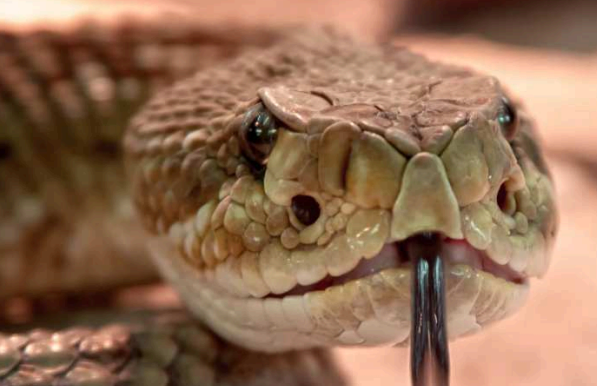
Spring is here and the pleasant weather that comes with it is an excellent time for snakes to start making their appearance, which results in a greater chance of being bitten by one of these unwanted serpents.
During this time snake bites tend to rise as the weather starts to warm up and most encounters take place in the early morning or late evening hours.
As snakes are out venturing for food, a good reminder is to be more alert around homes because these creatures will venture close to them.
In the United States, there are four kinds of venomous snakes including the coral snake, copperhead, rattlesnake and cotton mouth moccasin,
According to Texas Parks and Wildlife, the Central Texas region, which includes this area, has the largest number of snakes.
Recognizing whether the snake is venomous or not can sometimes be difficult to determine and one should always assume that the snake is venomous until you are absolutely sure that it is not.
Venomous snakes in this area are separated into two categories with one being the pit viper family and the other including the coral snake, which is a member of the elapid family.
The pit vipers include the copperhead, rattlesnake and moccasin and may vary in color and size depending on their geographic location. Color patterns may not always be the best way to identify them.
The best indicators for identifying a pit viper is to look at the snake’s head, which will be triangular in shape.
Although some non-venomous snakes may spread their head when provoked, most of them have a round head and snout with round eye pupils.
Another feature will be the shape of the pupils in the snake’s eyes, which will be vertical or oval or egg-shaped and cat-like.
A coral snake will have a round head, but is distinctly noticeable by its red, yellow and black bands along the length of its body. Remember the saying, “Red and Yellow, Kill a Fellow”
Area Venomous Snakes:
The snake that most people in our area generally have an encounter with is the copperhead.
These snakes will typically be about 2-3 feet in length with the tails tapered near the end.
The female copperhead will tend to be longer than the males and theses snakes will usually have a light brown, orange color that features brown hourglass shapes along the length of their bodies. Newborn copperheads will have a bright yellow tail.
Copperheads are primarily nighttime creatures that tend to roam about during the evening when the weather is warm and humid.
There are 16 varieties of rattlesnakes in the world that have different scale patterns and colors, but the one characteristic of all rattlesnakes is identifiable rattles that appear the end of its tail. Although there have been some reports that rattlesnakes do not produce a rattle, these vipers will usually emit a warning rattle when intruding into their area.
The moccasin/cottonmouth are usually present near water, will appear dark black or have a diamond pattern on its back and get the name ‘cottonmouth’ from white appearance when its mouth is opened.
The coral snake, which is related to the cobra, are usually very shy, rarely bite.
The national average incidence of venomous snake bites in the United States is roughly 4 bites per 100,000 people with about five deaths per year.
It may surprise you to know that Texas ranks sixth overall for persons bitten by snakes each year.
The state of North Carolina has the highest frequency of reported snakebites with West Virginia second, Arkansas third, Oklahoma fourth and Virginia fifth.
There are two types of snake venoms with the hemotoxic venom coming from the pit viper family and the neurotoxic venom carried by the coral snake.
The hemotoxic venom causes damage to blood and other tissues and the main symptom when bitten by a pit viper is usually intense pain at the site of the bite and swelling of the surrounding tissue.
The neurotoxic venom damages the nerves and instead of pain and swelling, the primary symptom is numbness.
All snakes, including most venomous snakes, are generally not aggressive in nature and will only attack when it’s provoked or threatened. The copperhead, for example, will strike without warning when threatened.