

Take precautions when viewing a solar eclipse
Part of Texas to have total solar eclipse Monday
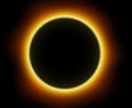
On Monday, April 8, millions of people will be looking to the skies as a total solar eclipse will take place that includes a narrow swath across Texas.
A total solar eclipse, where the moon completely covers the sun and leads to a temporary darkness during the day, most often takes place with two occurring every three years.
This Monday, one of those solar eclipses will happen in Texas with the light of day being blocked out approximately 100 to 120 miles away from Hallettsville.
Although area residents will experience a partial eclipse, the total eclipse is expected to begin at 1:27 p.m. at Del Rio and trek across the state in a northeast direction.
People in Uvalde, Kerrville, San Antonio, Fredricksburg, Austin, Llano, Temple, Waco, Fort Worth and Dallas will be in line to view the total solar eclipse before it exits the state near the Oklahoma/Arkansas borders at 1:49 p.m.
We, in this area, will also experience the eclipse, but the sky will not turn to totally darkness as those in the path of it will get to see.
Depending on the location, people in the path of the total solar eclipse may notice the birds stopping to chirp, the stars coming out in the sky and a temperature dropping a few degrees. All of these incidences are expected to take place between two and four minutes at the various locations.
With this phenomena taking place, many will travel to the specific areas of the path of the total eclipse, while others will have a hard time resisting a look at the sky.
If you are planning to try and view the total eclipse, it is important to understand that staring directly at the sun could lead to permanent eye damage.
According to the American Academy of Ophthalmology, the bright rays can burn cells in the retina located at the back of the eye.
Since the retina does not have pain receptors, a person will not feel the damage as it happens.
Called solar retinopathy, the cells die off, do not rejuvenate, and an individual will suffer symptoms including blurred vision and color distortion.
Mayo Clinic dermatologist, Dr. Dawn Davis, says, “If you would like to see the solar eclipse, you will need to have special solar eclipse glasses.”
Those planning to view the eclipse are recommended to not look at the eclipse with the naked eye, but purchase eclipse eye glasses from a reputable vendor.
The glasses should comply with ISO 12312- 2 standards and old glasses bought for the 2017 total solar eclipse can be used provided they are not warped or have scratches or holes.
Sunglasses as well as binoculars and telescopes without the proper solar filter are not safe.
Also, ophthalmologists also warn against viewing the solar eclipse by using your phone camera. The sun’s bright rays could cause damage to the digital components of the phone.
If you do not have the special eclipse glasses, you can view the sun’s blockage through an indirect method where you prick a pinhole through card stock or cardboard and hold it up during the eclipse. You will be able to look down and see the partial crescent of the moon at it passes over the sun.
Another safe method, not involving the special glasses, is to stand under a shade tree and watch the ground as the moon crescents over the sun.
The National Aeronautics and Space Administration (NASA) and the Mayo Clinic both say the only time a person can view the total solar eclipse without eye protection is when the moon totally obscures the sun’s bright face. When no part of the sun can be seen, it is considered to be safe. However, know this period will only last for a very short time.
So on Monday, enjoy the darkening of the sun in the afternoon, but remember to take the precautions to view this spectacular event.