

Fuel costs hit EMS departments especially hard this year
The nationwide increase in fuel costs has landed a deft blow for already struggling Texas EMS providers who need to respond when it matters most, leaders of the Texas EMS Alliance said last week.
“Our costs have gone way up for everything from bandages to ambulances, and now, our fuel costs are double what we budgeted.,” said Brent Smith, the president of the Texas EMS Alliance and CEO/Director of the Hopkins County EMS.
Texas EMS Alliance issued a statewide news release Tuesday, June 14, in which Smith said his EMS department performs about 80 ambulance transfers per month from a rural hospital in Sulphur Springs to larger hospitals in Dallas and Tyler. “That’s nearly 78 miles each way, all with vehicles that aren’t known for their fuel efficiency,” he said.
EMS agencies typically rely on two revenue sources to keep ambulances equipped with lifesaving equipment and staffed with highly trained EMS professionals on the road. The first is reimbursement from health plans, and the other comes in the form of taxpayer support.
Medicare often fails to cover the cost of providing ambulance service, and Medicaid rates lag far behind Medicare.
“EMS agencies in Texas are struggling like never before,” Smith said. “The pandemic put a terrible strain on us and made our workforce shortages even worse,” said Smith. “If this goes on much longer, EMS agencies are going to have to make some tough decisions.”
Granbury Hood County EMS, which transports 20 to 25 patients a day, is experiencing a similar level of fuel costs increases.
Ricky Reeves, the executive director of the agency, expressed his concerns: “I feel like I’m at the end of my rope. My agency needs a new ambulance, but the cost of an ambulance has gone up $60,000 in the last few months, and with the supply and chip issues, ambulance chassis are not being produced and are projected to arrive in 24 to 30 months.
“We take good care of our vehicles, but no vehicle will last forever, and a broken-down ambulance on the side of the road doesn’t do anyone any good,” Reeves said. “The fuel costs are forcing us to delay other capital purchases.”
Reeves is asking state and federal lawmakers to assist EMS agencies that serve Texas communities. “We need some kind of relief. We don’t like talking about reimbursement, but fuel, ambulances and cardiac monitors are not free. We need to be able to pay the paramedics and EMTs working on the frontline.”
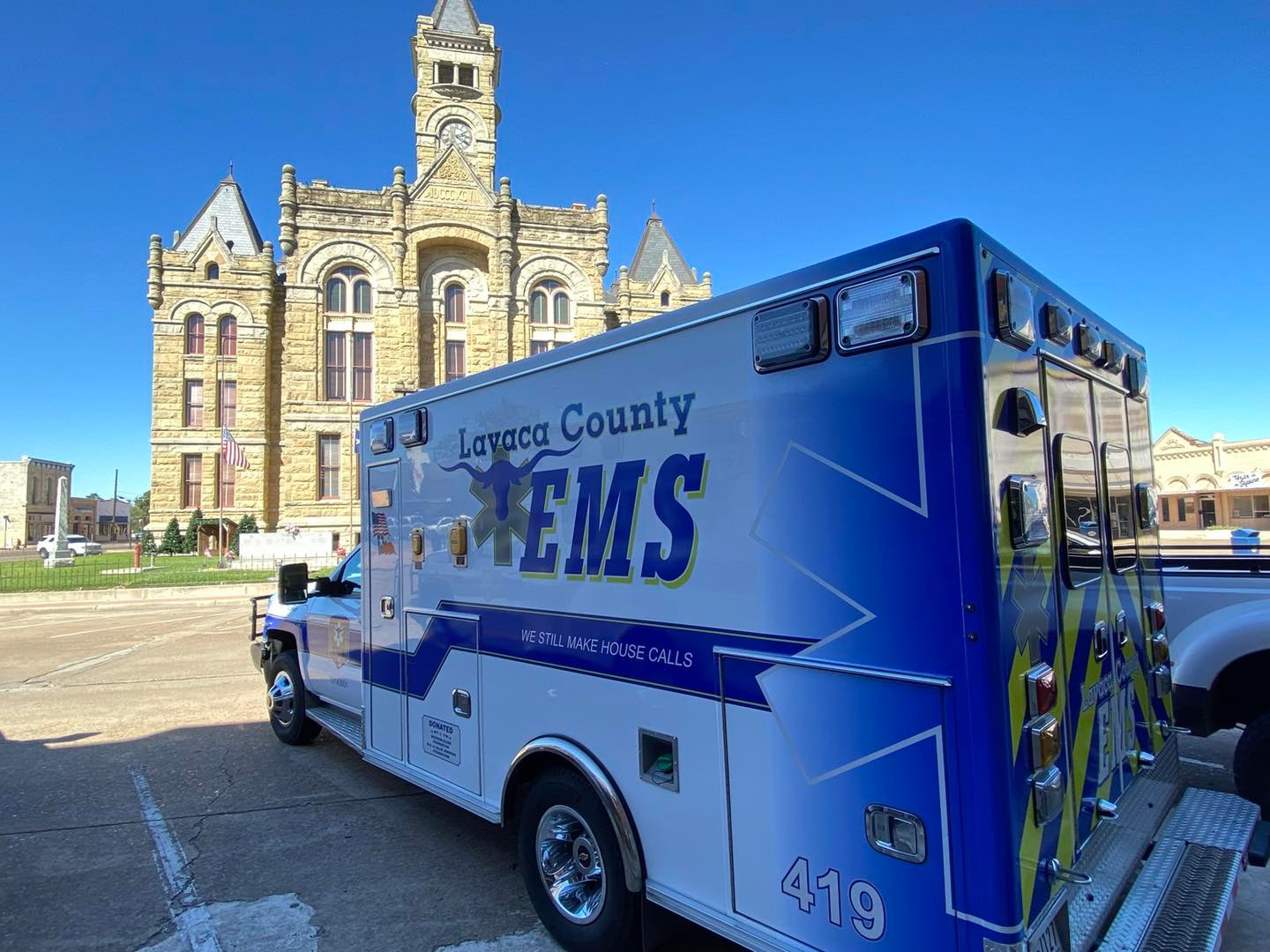
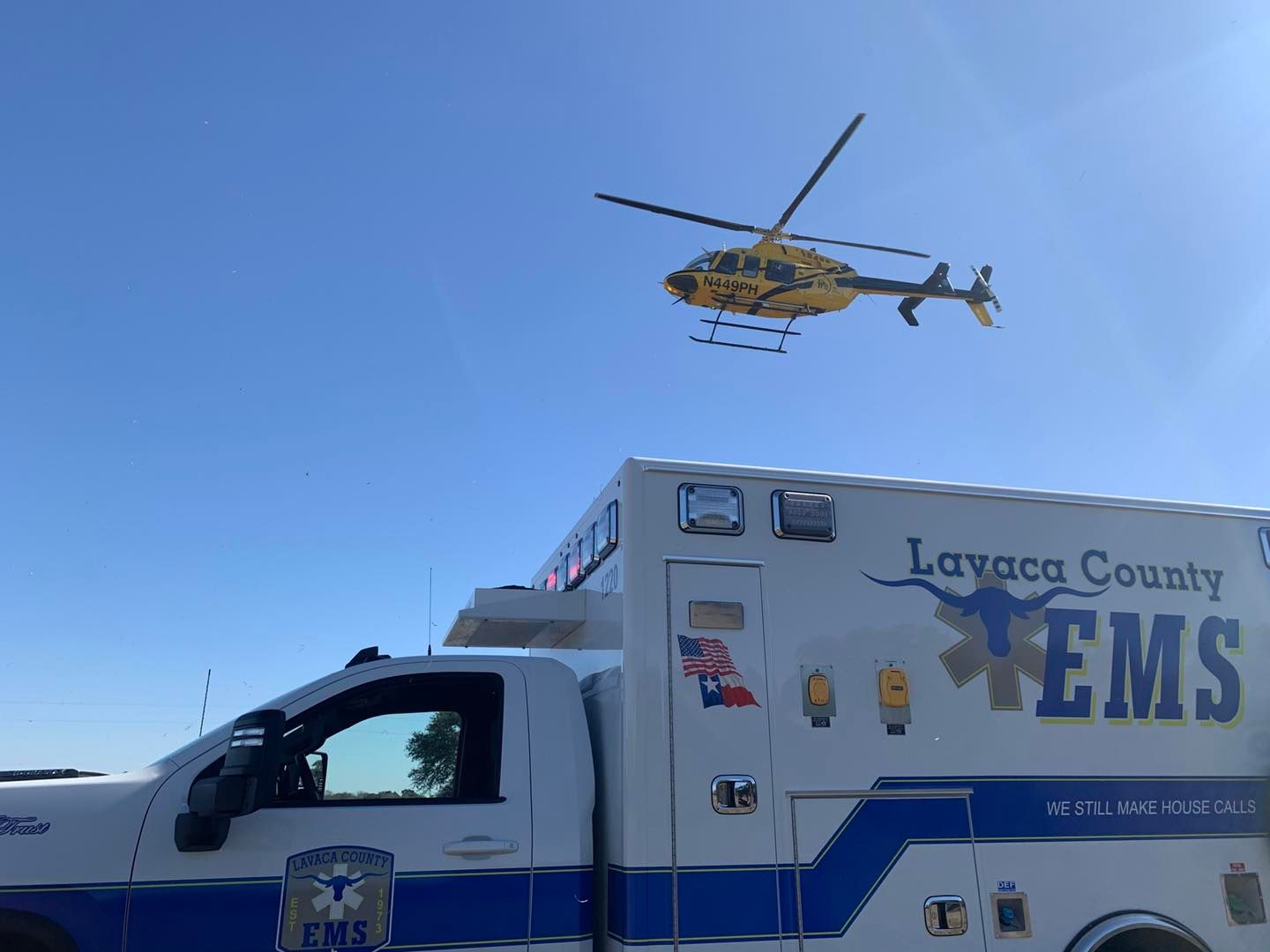
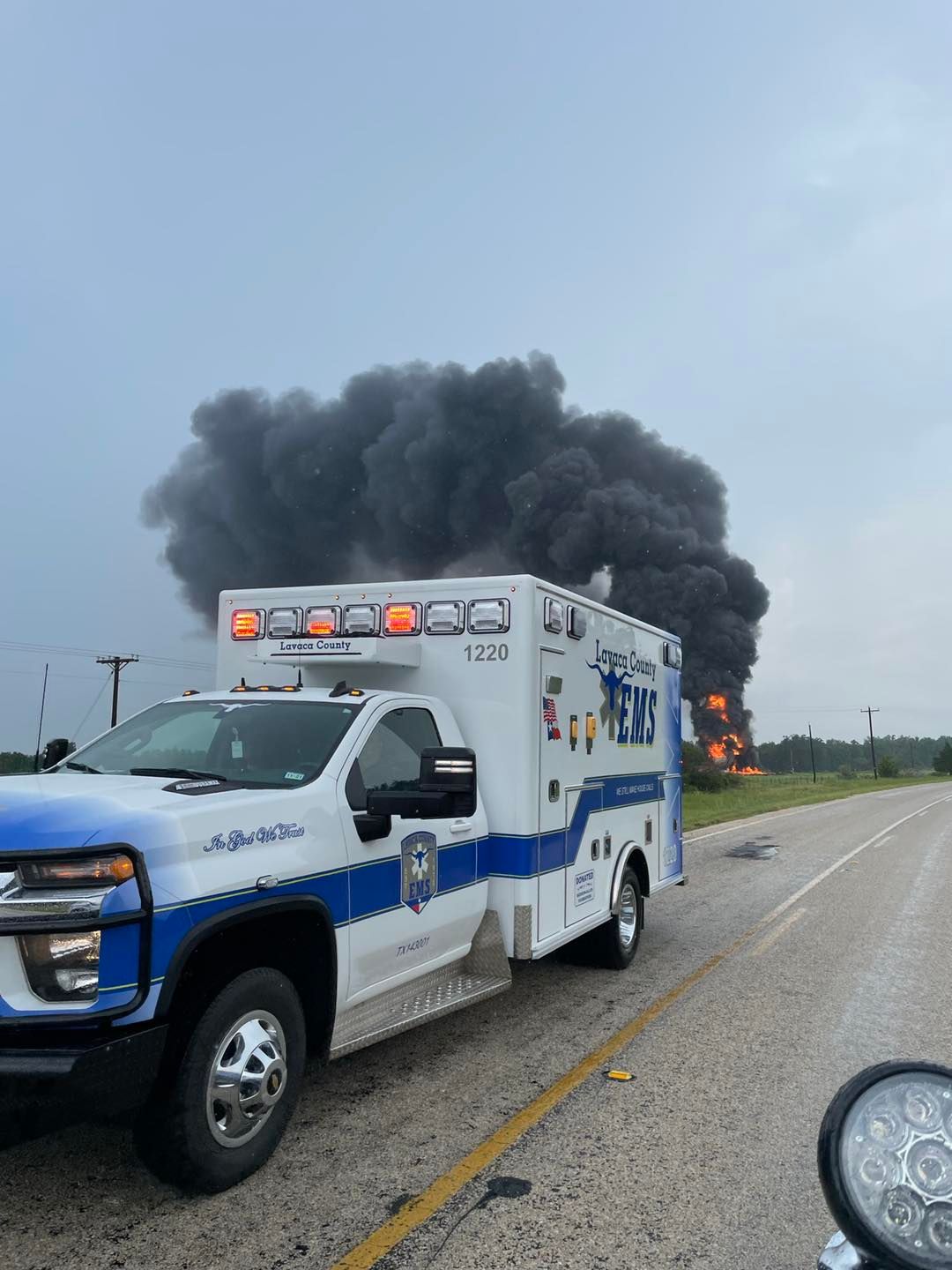
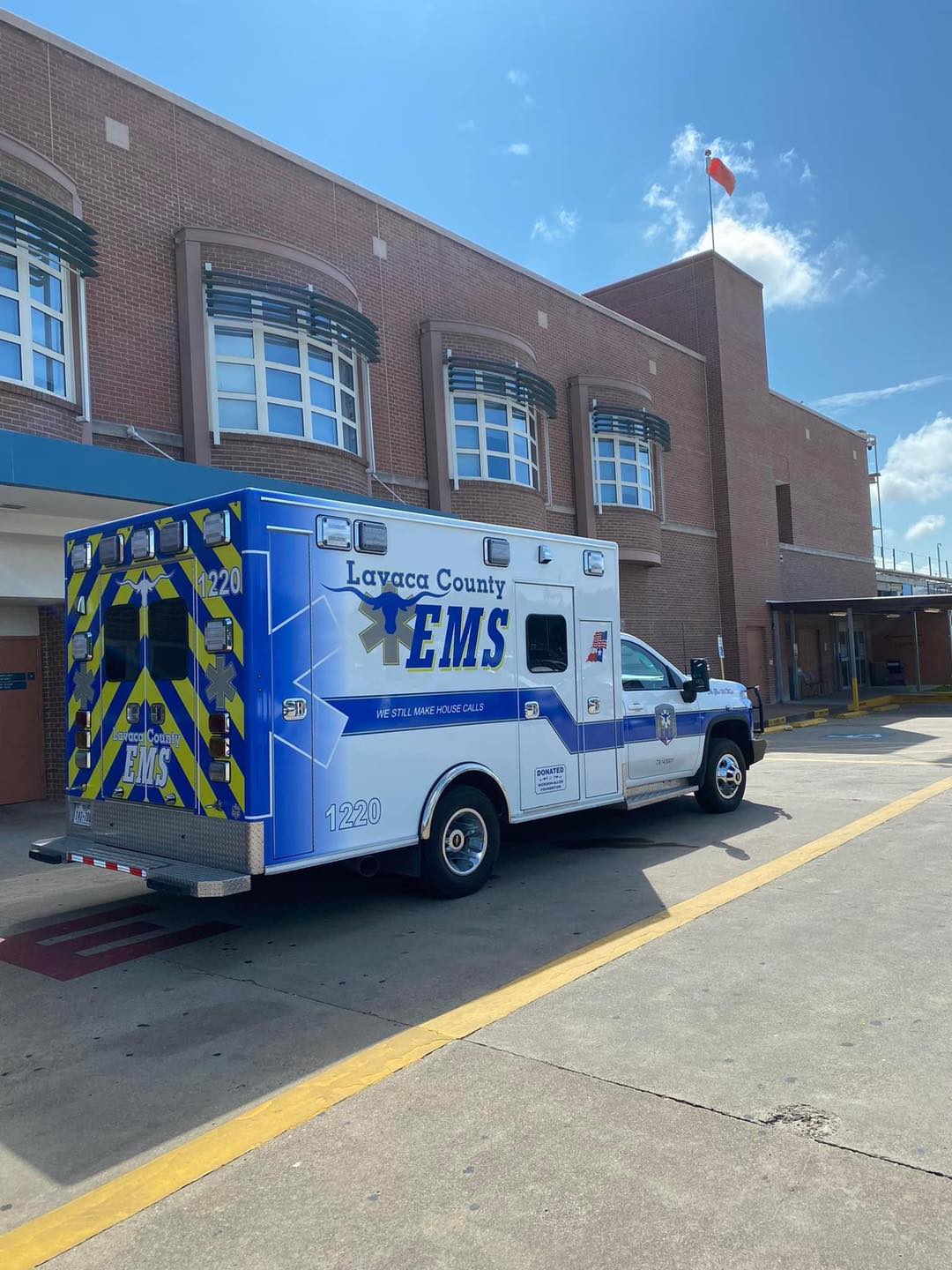
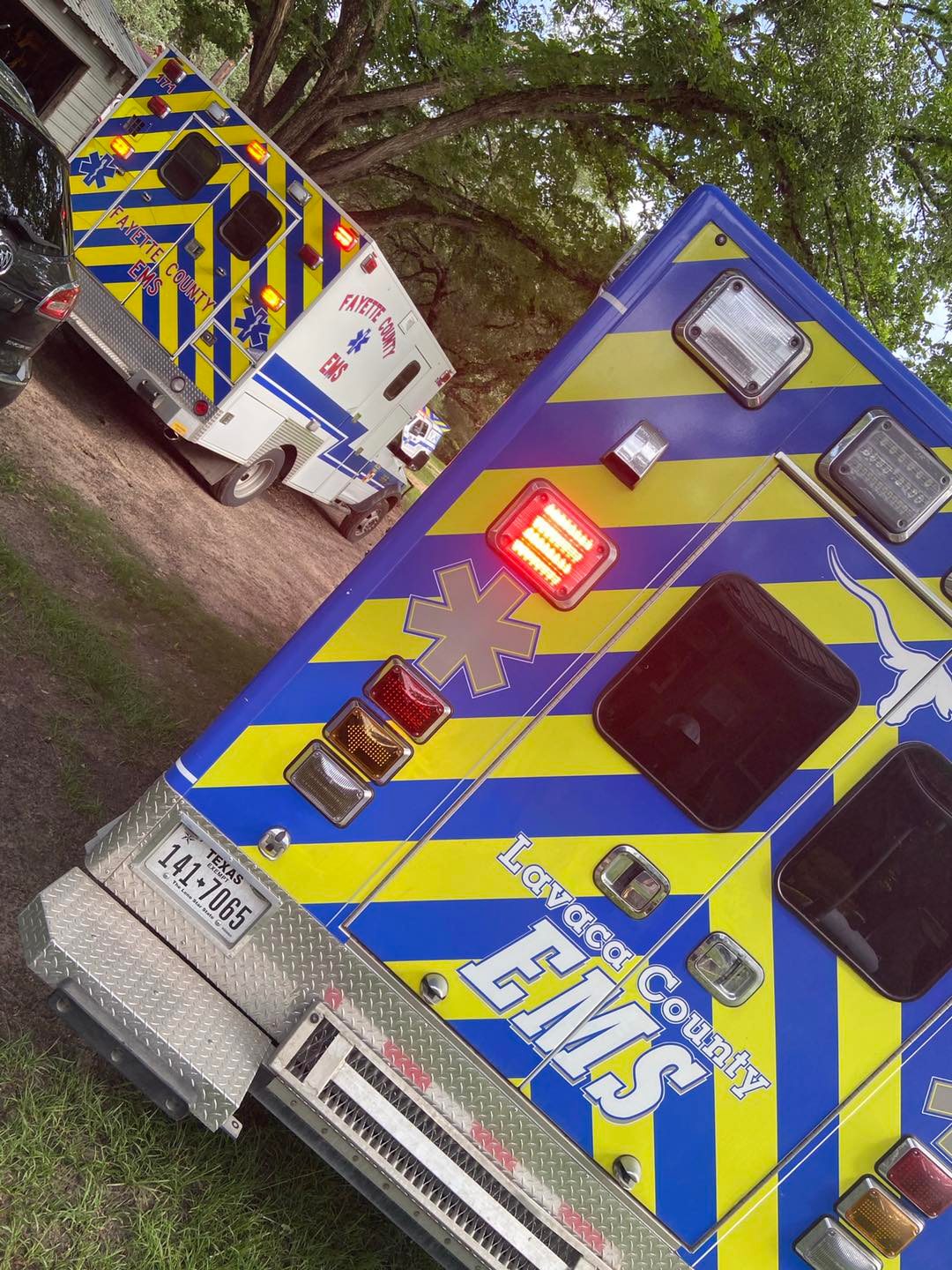
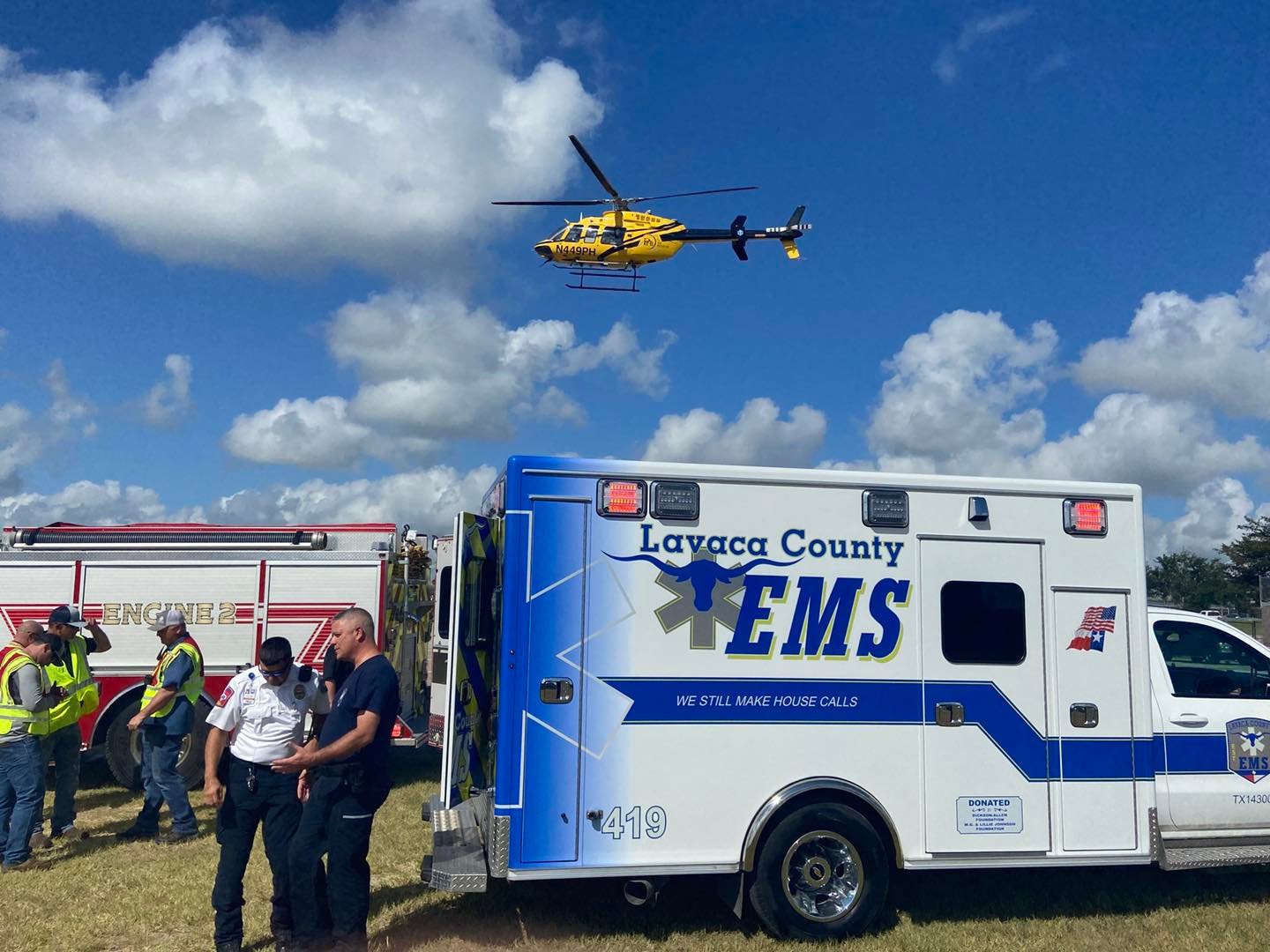
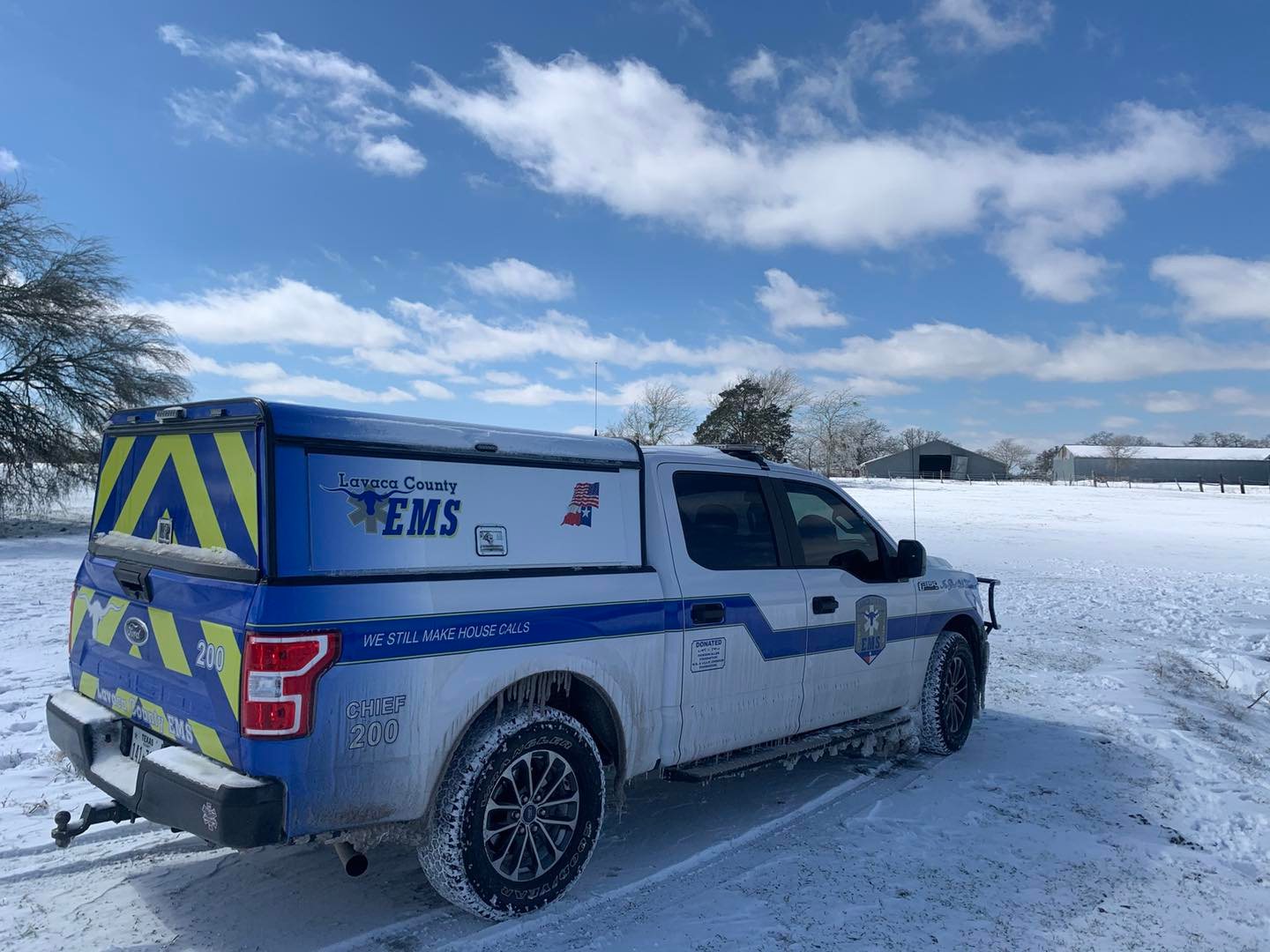
In Lavaca County, EMS Director Michael Furrh, who serves as the state rural ambulance service liasonmfor the Alliance, said his department has already reached its fuel budget, with four months remaining in the fiscal year.
“Rural EMS agencies provide transports that usually span much longer distances,” Furrh said. “The most critical patients, individuals suffering from strokes or penetrating traumas, for example, often need care that our rural hospitals aren’t equipped to provide. As a result, we aren’t just taking a patient to a hospital that is five or 10 miles away; we are often taking a patient to a hospital that is 50 to 100 miles away.”
Matt Zavadsky, the chief transformation officer for Fort Worth-based MedStar Mobile Healthcare, indicated that high prices are making it difficult for all providers to sustain their operations.
“Our fuel prices more than doubled since this time last year,” he said. “MedStar spent over $223,000 putting fuel in ambulances in May. In May of 2021 we spent less than $97,000. But we always need to be ready to respond to patients’ 911 calls and hospital requests.”
Besides the ever-increasing costs for fuel and equipment, workforce shortages have been an ongoing challenge for EMS agencies in Texas and across the United States.
The pandemic made the situation even worse by increasing burnout and bringing EMS education across the state nearly to a halt. While training courses have resumed, they have only produced a slow trickle of new EMS professionals.
In October 2021, the Texas Legislature pledged their support to help resolve the EMS workforce shortage by passing a bill that sets aside $21.7 million in one-time American Rescue Plan Act (ARPA) funds for EMS recruitment and training initiatives.
“We are incredibly grateful for the Legislature’s support. For most of the pandemic, other health care entities received staffing support, while EMS was left to fend for itself,” said Keir Vernon, the vice president of administration at Harris County Emergency Corps.
“Once the ARPA funds are released, we believe that they will provide a great benefit towards EMS workforce development. To be clear, not one penny of those funds will provide direct financial relief to any individual EMS agency. Every cent will be spent on recruitment programs and educating medics to ensure EMS is a sustainable career path in the future,” he said.
Vernon’s own non-profit agency has seen fuel costs double, from $22,000 in May of 2021, to $42,000 in May of 2022.
“We continue to look for ways to reduce costs to try to offset some of what’s going on. We keep looking for a light at the end of the tunnel, but so far it still looks pretty dark. EMS has always been there to provide assistance when people are in need, but the tables have turned. We as an industry are now the ones that desperately need help,” Vernon said.
The Texas EMS Alliance was founded in 2013 to serve as the unified stakeholder voice for Texas EMS agencies that provide 911 service to their communities. Visit www.txemsa.com to learn more.