

YHS launches forensic science program
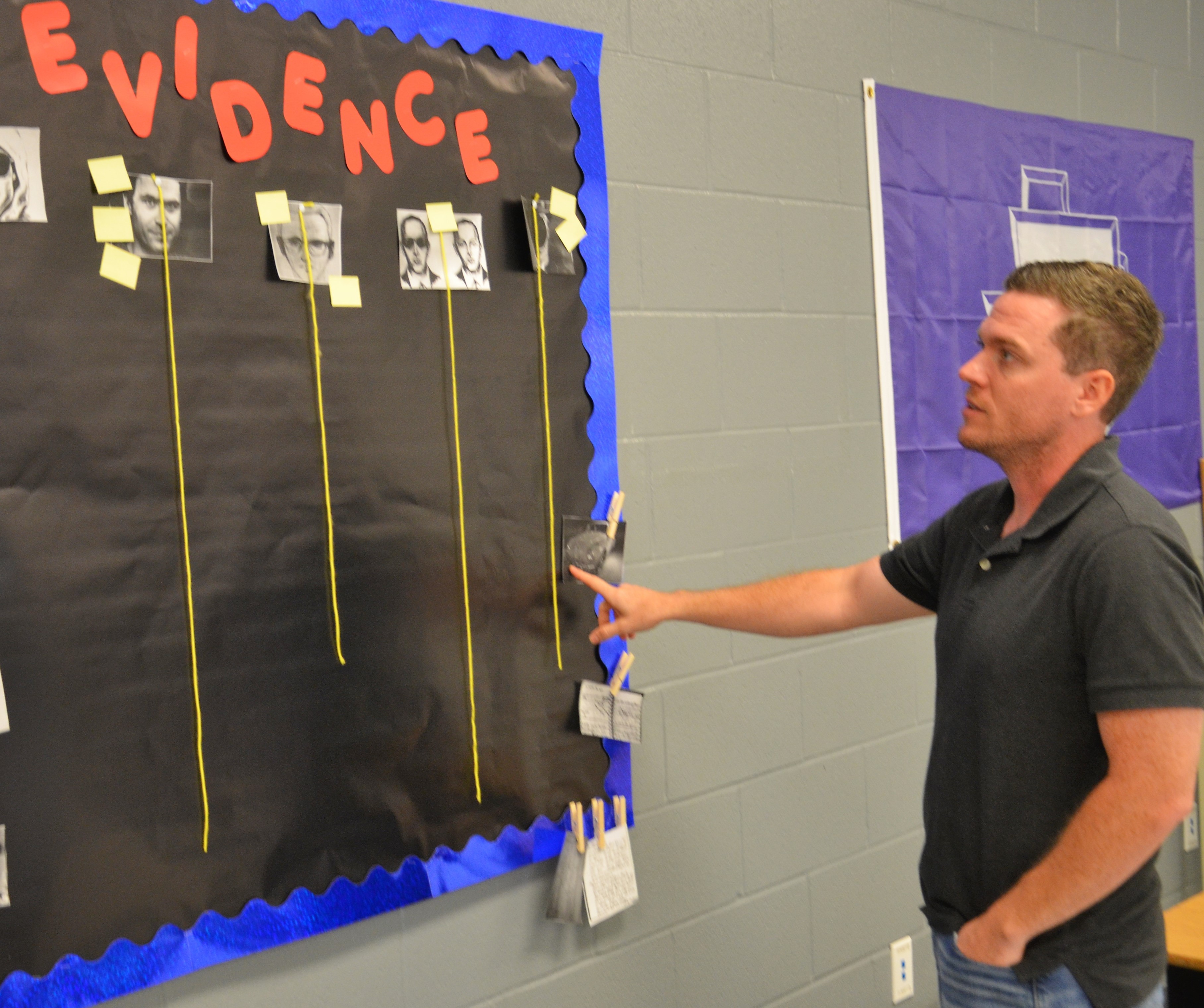
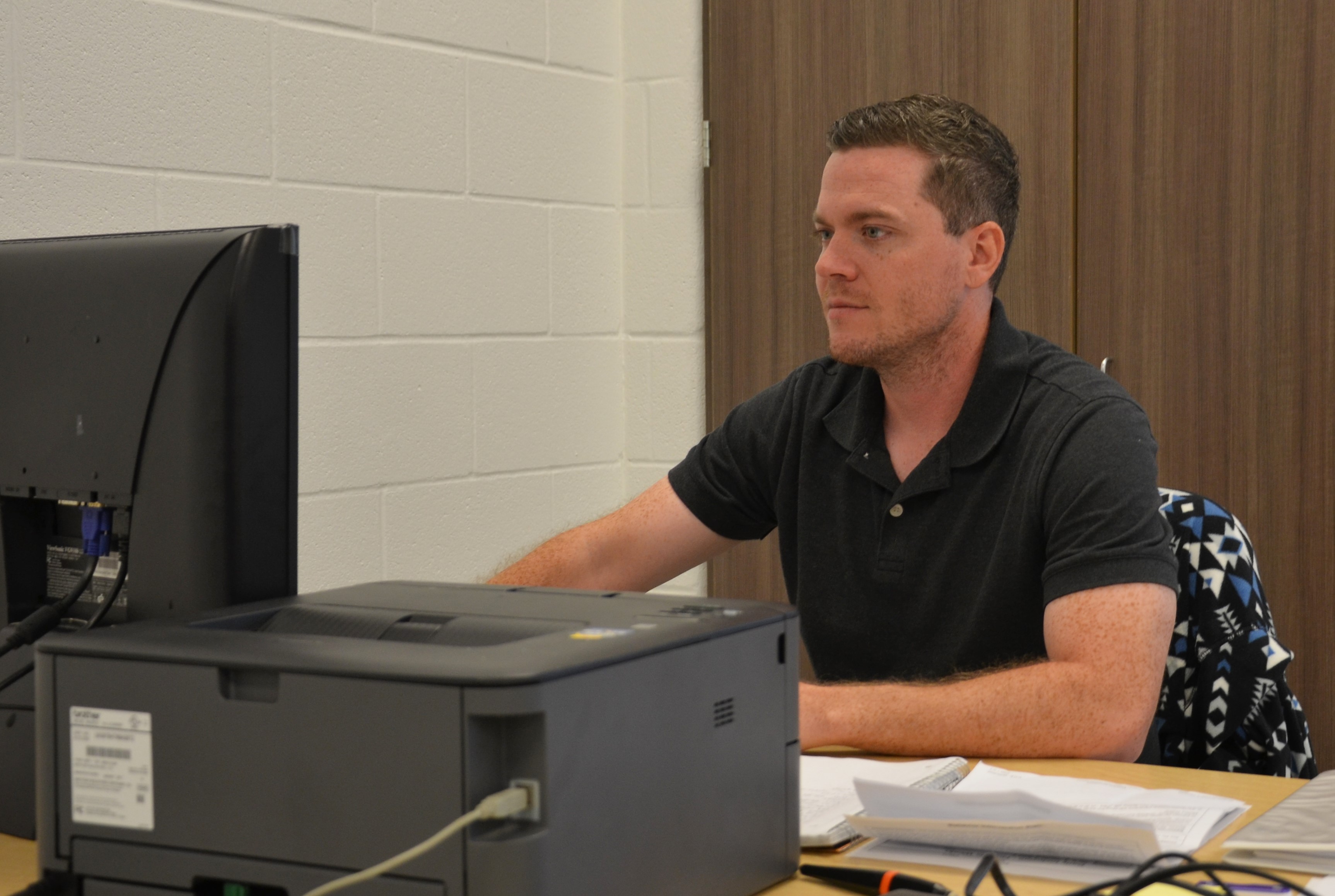
A former probation officer with experience in the personal security industry aims to build Yoakum High School’s (YHS) forensic science program from the ground up with a hands-approach to teaching in his classroom.
In an interview with the Herald-Times, Aaron Burnett explained that his one-semester forensic science course would cover various topics, including crime scene investigations, toxicology, blood splatter analysis, footwear impressions, forensic anthropology and much more.
“Basically, this course is how to think outside of the box and how to think critically. It is a great combination of creativity and critical thinking,” said Burnett. “Not only that, this encompasses so (many aspects of) science and law; it’s a great combination of both. I’m trying to get this course to spark some passions, whether it’s science, law, or crime scene investigations. There’s such a plethora of fields in law enforcement that this could (pertain to).”
The Tarleton State University alumnus reported that the course quickly filled after word spread across the student body of its availability. He hoped to pull anecdotes from his experience as a probation officer in Wharton and Matagorda Counties to share his passion for forensic science and criminal psychology.
“I think the skills I developed as a probation officer are fantastic for this position because I’ve learned a lot about juvenile behavior – why they do the things they do,” said Burnett. “I have a diverse background of dealing with every type of kid when I was a probation officer.”
Burnett said he aspired to work with the Yoakum Police Department to provide student learning opportunities.
In addition to forensic science, Burnett will teach a course regarding principles of law, public safety corrections and security. He said students in those classes would receive a rundown of positions in several valuable industries.
“It’s basically a giant career overview course where I'm going to show them how to get into these fields, the backgrounds of these fields, the skills you need for these fields,” said Burnett.
“I’m going to tell these kids, ‘hey, you don’t necessarily have to go to college to have really fulfilling, successful careers. Consider being a police officer. Consider being a firefighter.’ We’re going to look into all of that, and hopefully, I can just get them thinking about those positions.”