

Past hurricanes have targeted Texas
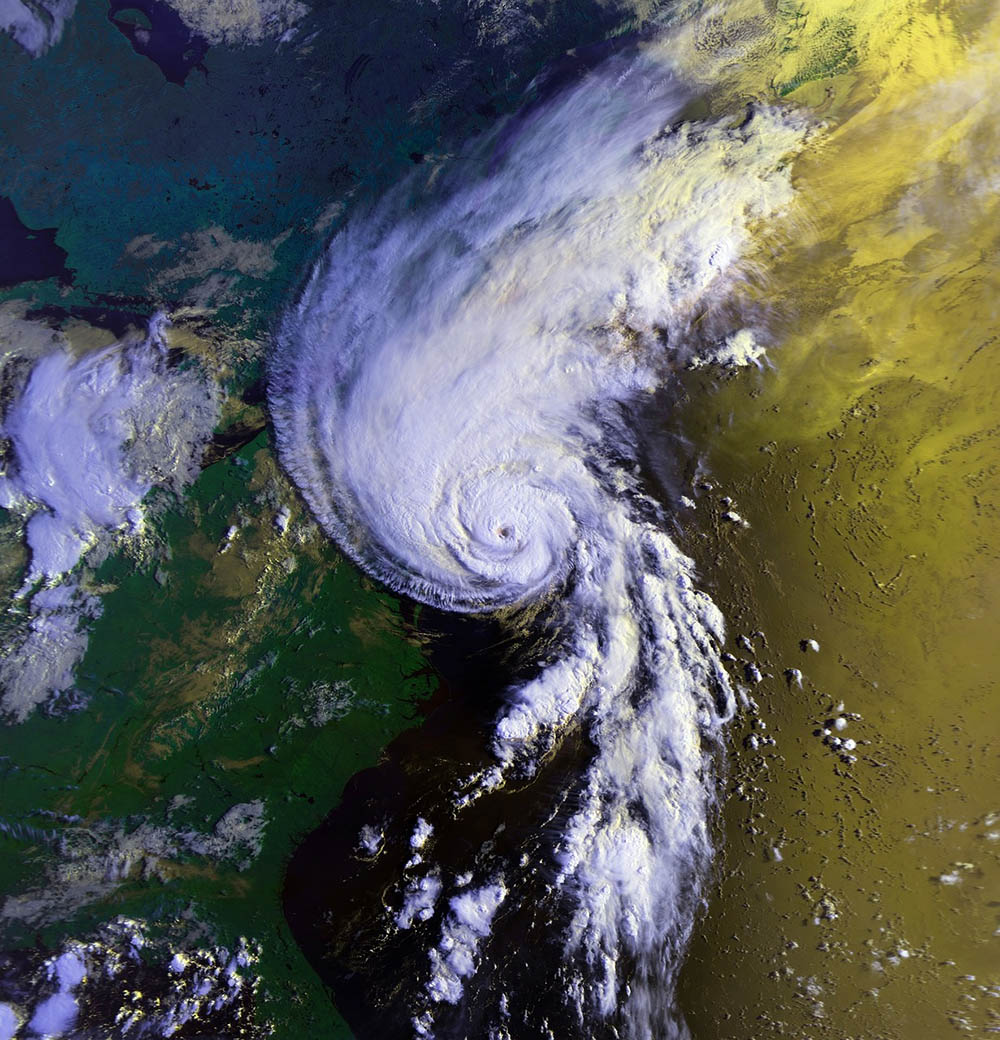
Carla was one of the worst …
BY MURRAY MONTGOMERY
Staff Writer
History tells us that over the centuries, as settlements grew along the Texas coast, hurricanes became an ever-present threat. In the article below, I have highlighted the storms that I consider to be some of the worst - there are many more.
I was raised near the coast in Brazoria County and have had some experience regarding hurricanes. As a member of the Texas National Guard, I was witness to the aftermath of Hurricane Carla; I saw refrigerators, boats, and many other things on the tops of large oak trees. It was scary to realize that the water had been that high. People, I knew personally, died in that storm.
And I am sure folks who were living in Lavaca County in 1961, also have memories of Carla. It was a devastating storm that affected not only those communities along the coast but remnants of it were felt as far inland as Austin. It came ashore as a Category 4 hurricane near Port O’Connor packing 145 mph winds.
Carla was considered one of the largest major Gulf hurricanes in the 20th century. There were 43 deaths, approximately half attributable to tornadoes and floods accompanying the hurricane - property damage was estimated at over $300 million. Loss of life was held to a minimum by prompt evacuations. Over a quarter-million persons were reported to have evacuated from coastal and low-lying areas. My parents were living in Angleton at the time and they went to Austin. Daddy said the storm followed them all the way.
However, the Galveston Hurricane of 1900 stands as one of the deadliest natural disasters in U.S. history. According to the website Hurricanes: Science and Society, the storm had winds reaching an estimated 100 mph - other sources say the winds could have been 145 mph. The storm surged over the island, claiming the lives of an estimated 6,000 to 12,000 people. This devastating event led to the construction of the Galveston Seawall, a massive barrier designed to protect the city from future storm surges.
As if the 1900 storm wasn’t enough, another terrible hurricane hit Galveston in 1915 and gave the Seawall its first test. The Galveston & Texas History Center website has the following information about this storm in their files: This was a severe hurricane, with sustained winds up to 93 mph and wind gusts that reached 120 mph. The hurricane inundated Galveston with waters that reached a depth of 6 to 9 feet. The storm surge reached a maximum depth exceeding 16 feet.
After Hurricane Celia in 1970 with its reported 175 mph wind gusts, along comes “Harvey,” in 2017, which wreaked havoc on the Rock Port and Fulton areas, as well as, many other surrounding towns and counties.
According to the National Weather Service, Harvey formed off the west coast of Africa, and eventually found its way to the western Gulf of Mexico as a tropical depression before it became a monster with wind gusts up to 145 mph. Before Harvey was done, it went inland nearly as far as San Antonio. The storm made a turn and went back into the Gulf before it came ashore again and gave Louisiana a little taste of its destructive power.
In response to the recurring threat of hurricanes, Texas has taken significant measures to improve preparedness and response. The National Weather Service, along with local authorities, closely monitors approaching storms, providing timely warnings and evacuation orders. Improved building codes and infrastructure have been implemented to withstand the force of hurricane winds and storm surges.
Unlike people living before radar and satellites, we can track these storms. Those in the path of the hurricanes can get updates constantly – showing locations, wind speeds, and where they are predicted to make landfall.
If you find yourself in the path of a hurricane, I would recommend evacuating. But if you can’t leave, be sure to have plenty of food and water on hand. It’s a good idea to have your phone completely charged and have flashlights as well. Chances are that power will be lost, possibly for a long time.