

Summer brings intense high temps
Know heat related symptoms; avoid overexposure
By Jimmy Appelt
tribunenewsroom@sbcglobal.net
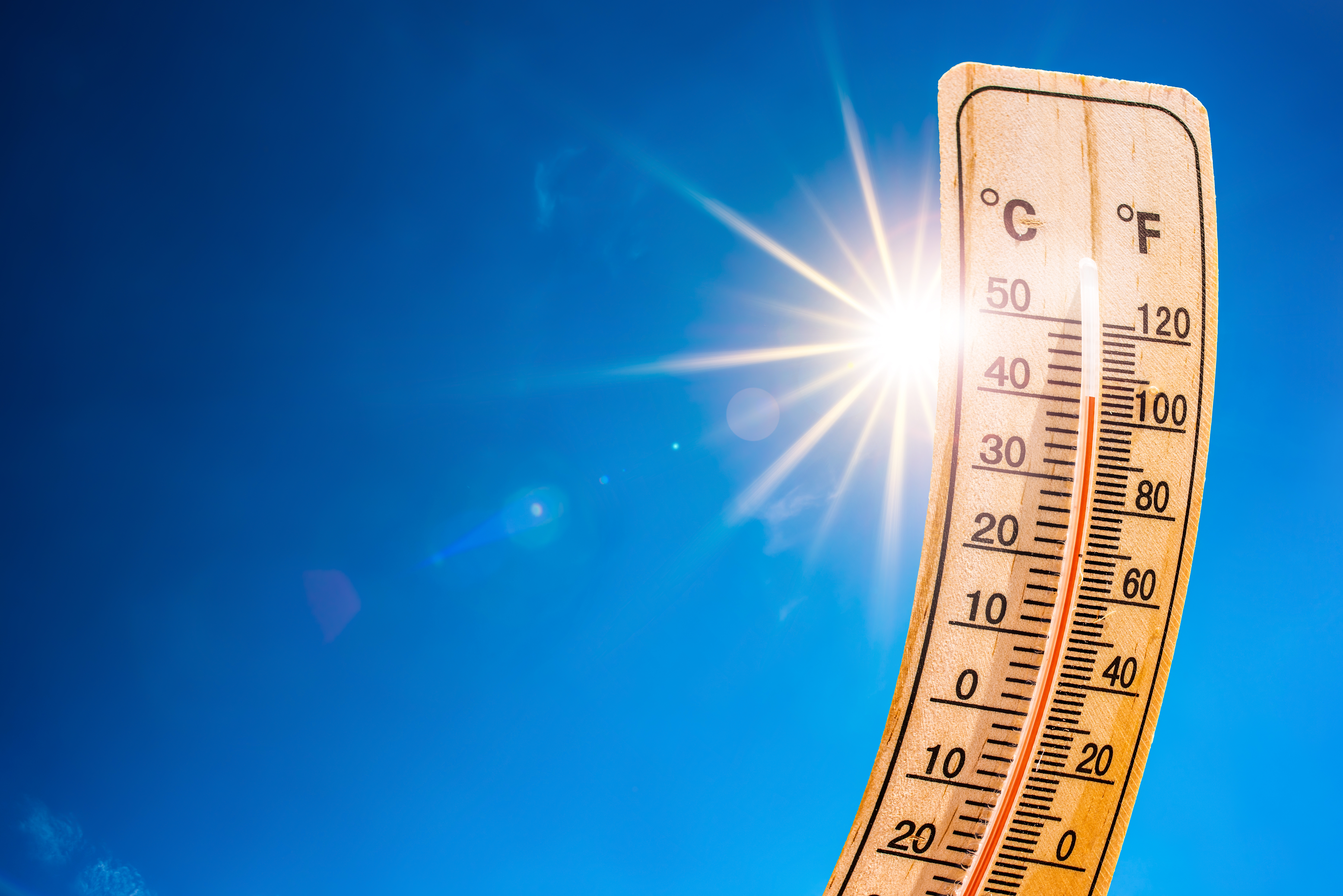
If you have stepped outside for any length of time for the past week, you had to notice the extreme high temperatures that are in control for this area.
Texans are accustom to having high temperatures for the summer, but usually the scorching heat doesn’t usually happen until July and August.
However, for some reason this summer, the hottest season of the year has decided to visit us earlier.
Due to a “heat high”, the usual month of June brings average temps and a good amount of rain, but thus far that hasn’t been the case.
Since the summer heat has set in earlier than usual, this is the time to remind people of taking the necessary precautions to avoid getting overheated while working or playing outdoors.
Each year, the Centers of Disease Control and Prevention (CDC) provide directions for recognizing the symptoms for heat related illnesses as well as tips for preventing overexposure to high heat.
When having to be outdoors in the heat for a long period of time, it is wise to be able to recognize symptoms of heat related illness.
The two most serious heat related illnesses are heat stroke and heat exhaustion and it is vital that we recognize those signs that include:
Heat Stroke
• Body temperatures of 103 degrees or higher.
• Hot, red, dry, or damp skin
• Fast, strong pulse
• Headache
• Dizziness
• Nausea
• Confusion
• Losing consciousness
If an individual experiences these signs call 9-1-1 immediately; move the person to a cool place; help lower the temperature with cool cloths and cool baths; do not give the person anything to drink.
Heat Exhaustion
• Heavy sweating
• Cool, pale and clammy skin
• Fast, weak pulse
• Nausea or vomiting
• Muscle cramps
• Tiredness or weakness
• Dizziness
• Headache
• Fainting
If an individual experiences signs of heat exhaustion move to a cool place; loosen clothes; put cool, wet cloths on the person’s body or take a cool bath; sip water. Get medical help if the person is vomiting, the symptoms get worse and last longer than one hour.
Avoid the Heat
Tips from CDC for preventing overexposure to high heat include:
Stay Cool
• Wear appropriate clothing by choosing lightweight, light-colored, and loose-fitting clothing.
• Stay in air-conditioning as much as possible. Electric fans may provide some comfort, but when temperatures are in the upper 90’s, they will not prevent a heat-related illness.
• Take a cool shower or bath, or visit places with air-conditioning.
• Schedule outdoor activities when its cooler, such as early morning or late afternoon. Rest often in the shade.
• Pace yourself when active outdoors during the heat. If you start having heat-related symptoms get to a cool area and rest, especially if you feel light-headed, confused, weak or faint.
• When outdoors in the sun, wear a wide-brimmed hat, sunglasses and apply a sunscreen 30 minutes prior to going out with a SPF 15 or higher.
Use a sunscreen that says “broad spectrum” or UVA/UVB protection on the label.
• Never leave children or pets in cars, even with the window open. The car can heat up quickly to dangerous temperatures leading to heat stroke conditions or dying.
• Avoid eating hot, heavy meals, they add heat to your body.
Stay Hydrated
• Drink plenty of fluids regardless of how active you may be – Don’t wait until you are thirsty.
• Stay away from very sugary or alcoholic drinks.
• Avoid very cold drinks, because they can lead to stomach cramps.
• Replace salt and minerals by drinking sports drinks to replace lost salts and minerals.
• Hydrate your pets with fresh water and place the water in shaded areas.
Stay Informed
• Check for updates by following local news updates regarding extreme heat alerts.
• Monitor those who are at high risk, who include infants and young children, individuals 65 years or older, overweight and people who are physically ill.
• Visit adults, who are at risk, at least twice per day and closely watch for heat exhaustion or heat stroke. Infants and young children should be watched more often as well.