

The Day Slavery Ended In Texas
Juneteenth: A Celebration of Freedom
BY MURRAY MONTGOMERY - Staff Writer
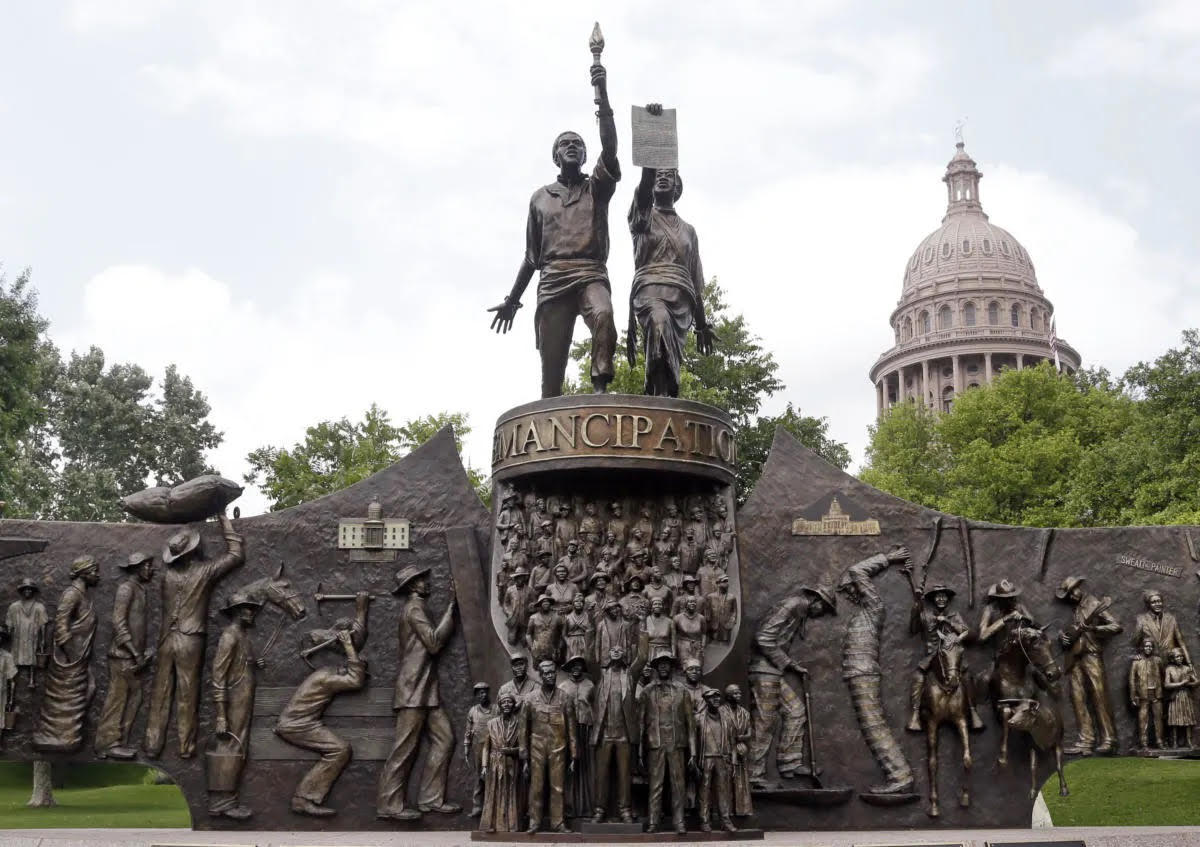
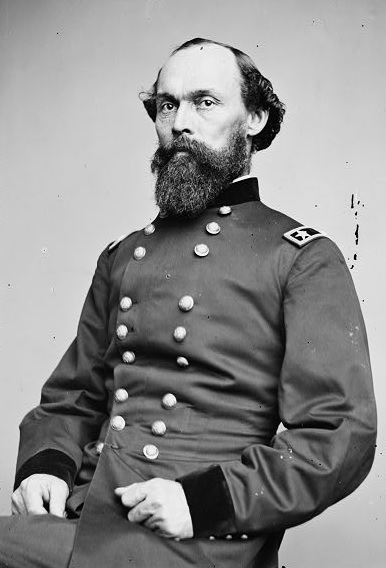
At the end of the Civil War and nine days after he was given command of the Department of Texas on June 10, 1865, Union General Gordon Granger made a trip to Galveston and on June 19, 1865, he declared that all slaves in Texas were free. It had taken more than two and a half years since President Abraham Lincoln issued his Emancipation Proclamation for slaves in Texas to actually know freedom.
Officially, it went down in the books as “General Order Number 3,” - that order immediately declared freedom for over 250,000 slaves in Texas. It said there would no longer be a relationship between master and slave but from that historic moment on it would be considered a relationship between employer and hired labor.
Gen. Granger’s trip to Galveston would only be the beginning of a slow process that would see him traveling throughout Texas for the next six weeks. His hopes were that the word would spread from plantation to plantation until it was known all across the state that slavery was officially abolished. But it wouldn’t be until the end of summer 1865, that the abolishment of slavery was known throughout Texas.
It’s impossible to know what went through the minds of those enslaved people, laboring in the cotton fields, when they heard the news of their newly acquired freedom. No doubt there was a lot of disbelief.
From the piney woods of East Texas to the hill country, there were many reports that freed slaves didn’t know what to do or where they should go. Many moved to the northern states but some stayed near what had been home to them for many years.
According to the Texas General Land Office, although slavery was illegal under Mexican law, slaves were still brought into Texas by immigrants from the United States. And as the years went by, the number of those enslaved would reach a number of nearly 300,000.
The day of declared liberty for African-American Texans became known as “Juneteenth” and has been celebrated for over 150 years by freedom-loving people of all races. The historic day has evolved over the years to become an icon in the struggle for civil rights.
Juneteenth and its profound meaning of equal rights have continued to advance from that historic day in 1865. A bill was introduced by Rep. Al Edwards of Houston in 1979 calling for Juneteenth to become a state holiday. The state legislature passed the bill and it was signed into law by Governor William P. Clements Jr.
According to The Handbook of Texas Online, the first state-sponsored celebration took place in 1980. Juneteenth and its concept of freedom are not limited to Texas alone, cities across the United States celebrate the day as well. Minneapolis and Milwaukee are known to have large celebrations.
People who have moved out of Texas still celebrate Juneteenth in their new locations. Some who have moved to Louisiana and Oklahoma remember the significance of the date and still honor it. The day was recognized in 1991 in Washington D.C. when the Anacostia Museum of the Smithsonian Institute sponsored an event called “Freedom Revisited.” It included African-American arts and crafts along with speakers and other programs.
Finally, after much effort, people like 93-year-old Opal Lee, a retired educator from Fort Worth, have seen their dream to make Juneteenth a national holiday come true. Lee worked for over forty years to acquire one million signatures and she saw her project come to fruition when President Joe Biden signed into law a bill creating Juneteenth National Independence Day on June 17, 2021. Opal Lee was at that event.
The City of Galveston celebrated the new federal law with much enthusiasm - not unlike the day that liberty for African-Americans was declared by an official of the United States government over 150 years ago.
Among the many speeches by local officials and other activities, including fireworks and the Juneteenth parade, the dedication of the “Absolute Equality” mural by the artist Reginald C. Adams of Houston was held. The mural’s title is actually from words contained in General Order Number 3 - the historic sheet of paper that finally gave enslaved and oppressed people their freedom at last.