
Former pontiff passes away on eve of new year
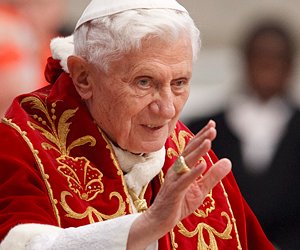
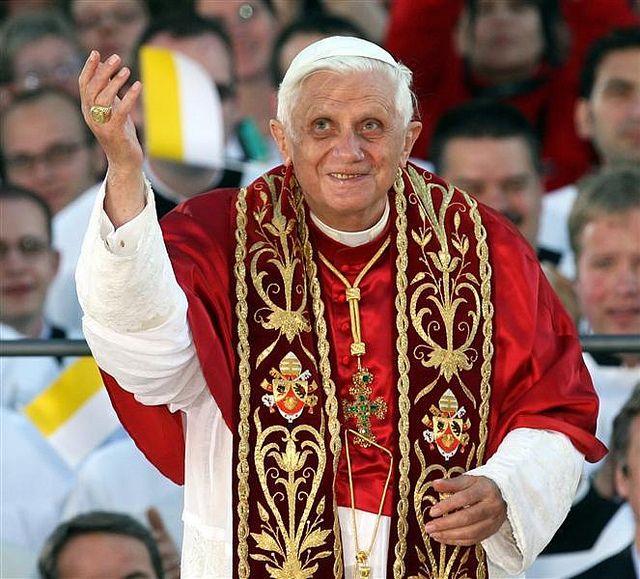
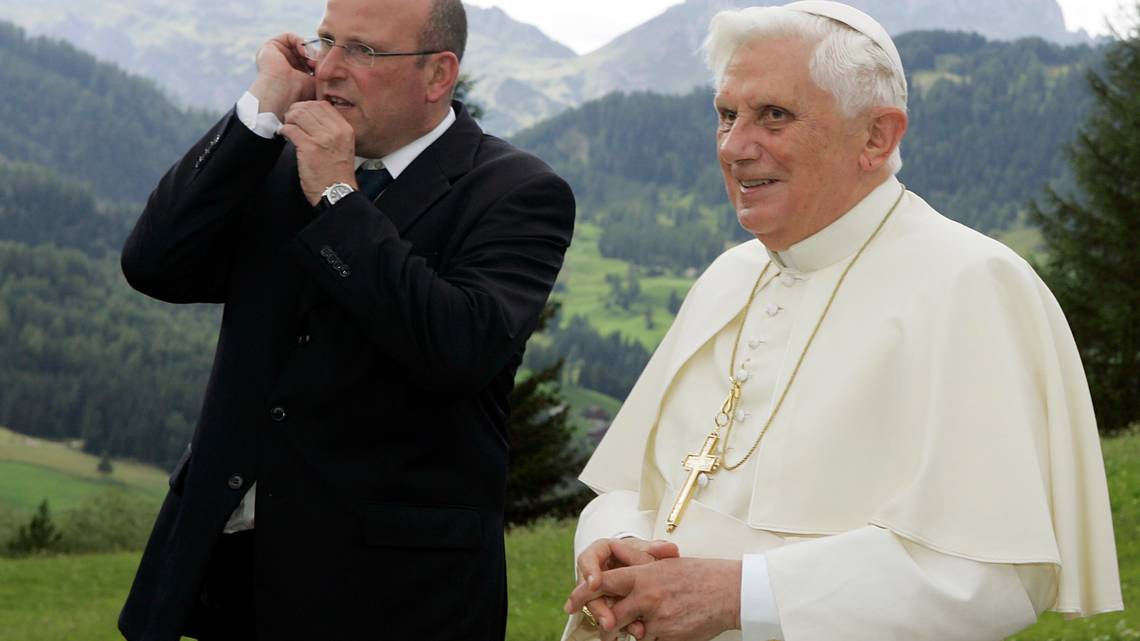
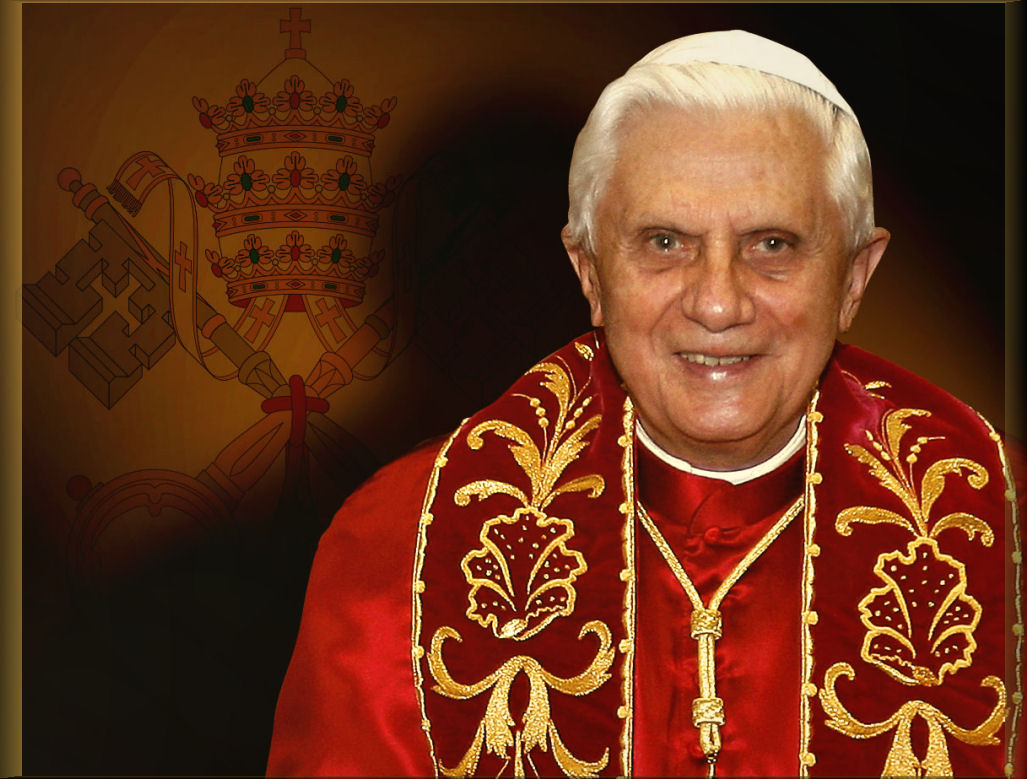
Pope Emeritus Benedict XVI, who roughly a decade ago became the first Roman Catholic pontiff to resign in nearly 600 years, died Saturday, Dec. 31, at his home. He was 95.
In a statement given to national media from the Vatican, Pope Francis said Benedict’s health had worsened in recent days because of old age. He was closely monitored by doctors at his home, a former monastery located in Vatican City.
A noted scholar of the Catholic faith, known for his powerful encyclicals (papal writings), addressing both spiritual and social issues. He also oversaw a commission that created the “Catechism of the Catholic Church,” a text approved in 1992 containing the fundamental beliefs of the church. And his first book as pope, “Jesus of Nazareth,” was hailed as a compelling biography of Jesus Christ.
Throughout his theological life, Benedict was known as a more conservative member of the faith. He worked to uphold traditions and preserve the Vatican’s image.
While credited for making way for his successor, the more liberal-minded Pope Francis, to transition the Catholic Church into a more progressive era, his decision to resign from the papacy remained on his mind to the very end.
“It was a difficult decision. But I took it in full awareness, and I think I did well. Some of my somewhat fanatical friends are still angry, they didn’t want to accept my choice,” he told Italian newspapers last year. “They don’t want to believe in a conscious choice. But my conscience is clear.”
Pope Benedict was born Joseph Ratzinger on April 16, 1927, in Marktl am Inn, Germany, a small village in the southeastern state of Bavaria.
He spent much of his youth in the town of Traunstein near the border with Austria, where he attended a seminary school. At age 14, he was forced to join the Hitler Youth, and at 16, he was drafted into the Nazi army and served in an anti-aircraft auxiliary unit.
Benedict deserted the military in 1945, along with his brother, and was taken prisoner by U.S. forces for several months. When the war ended, he was just 18 years old.
His time in the Nazi army caused concerns to some as he rose in the Catholic Church, but while working under Pope John Paul II in the 1990s, Benedict helped clear up Catholic-Jewish divisions, including by recognizing the state of Israel.
Although the 2020 Census did not collect religious affiliation data, 2010 Census data showed that of the 19,810 souls who called Lavaca County home, some 12,800 identified as Catholics. That compares to 2,319 Baptists, 2,011 Lutherans, 1,037 Evangelicals, 1,026 Methodists, 545 Mormons, 288 Episcopalians and 28 Presbyterians. There were 53 churches in the county at that time, the data showed.