

Spring blooms early in 2023
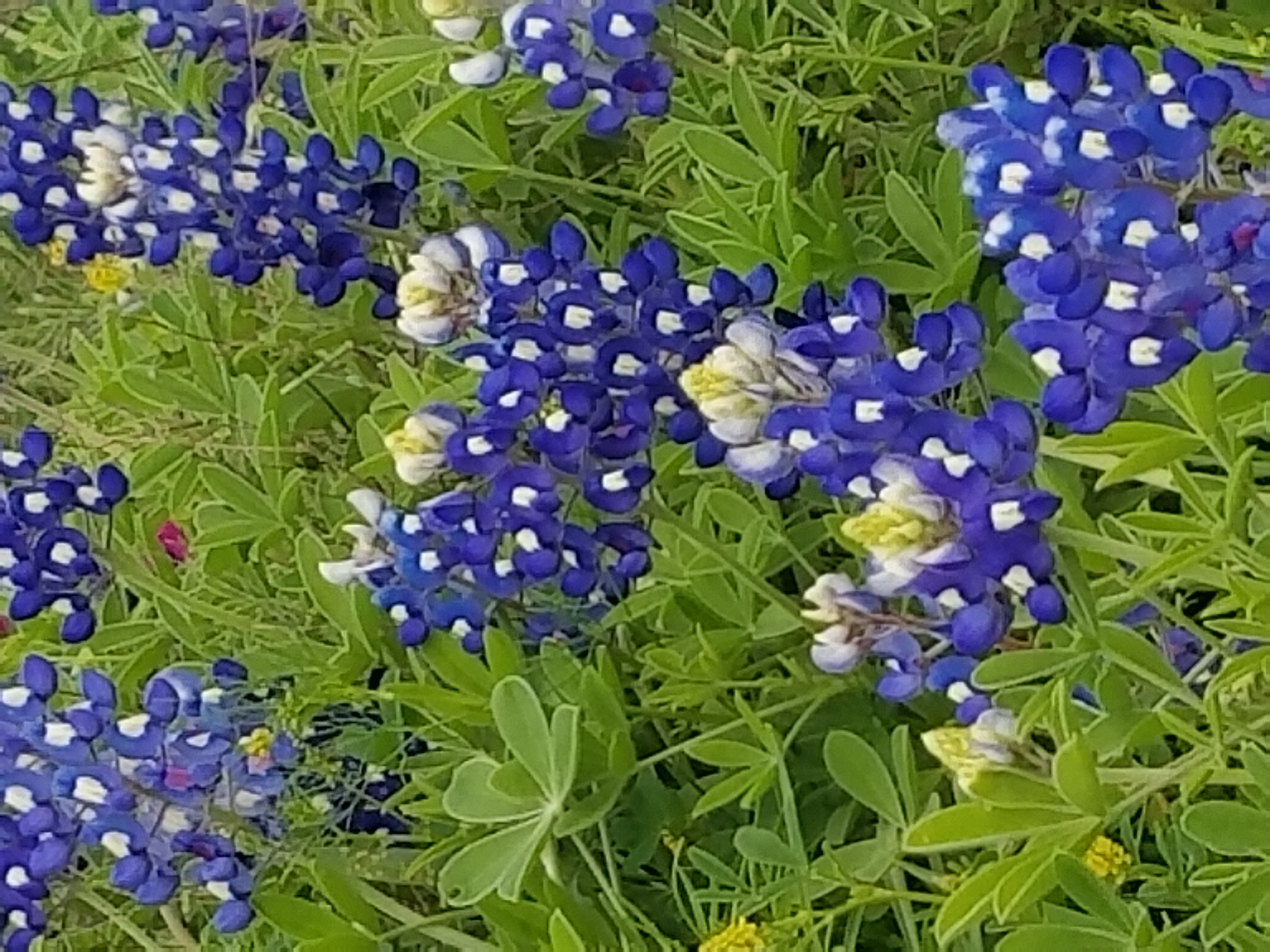
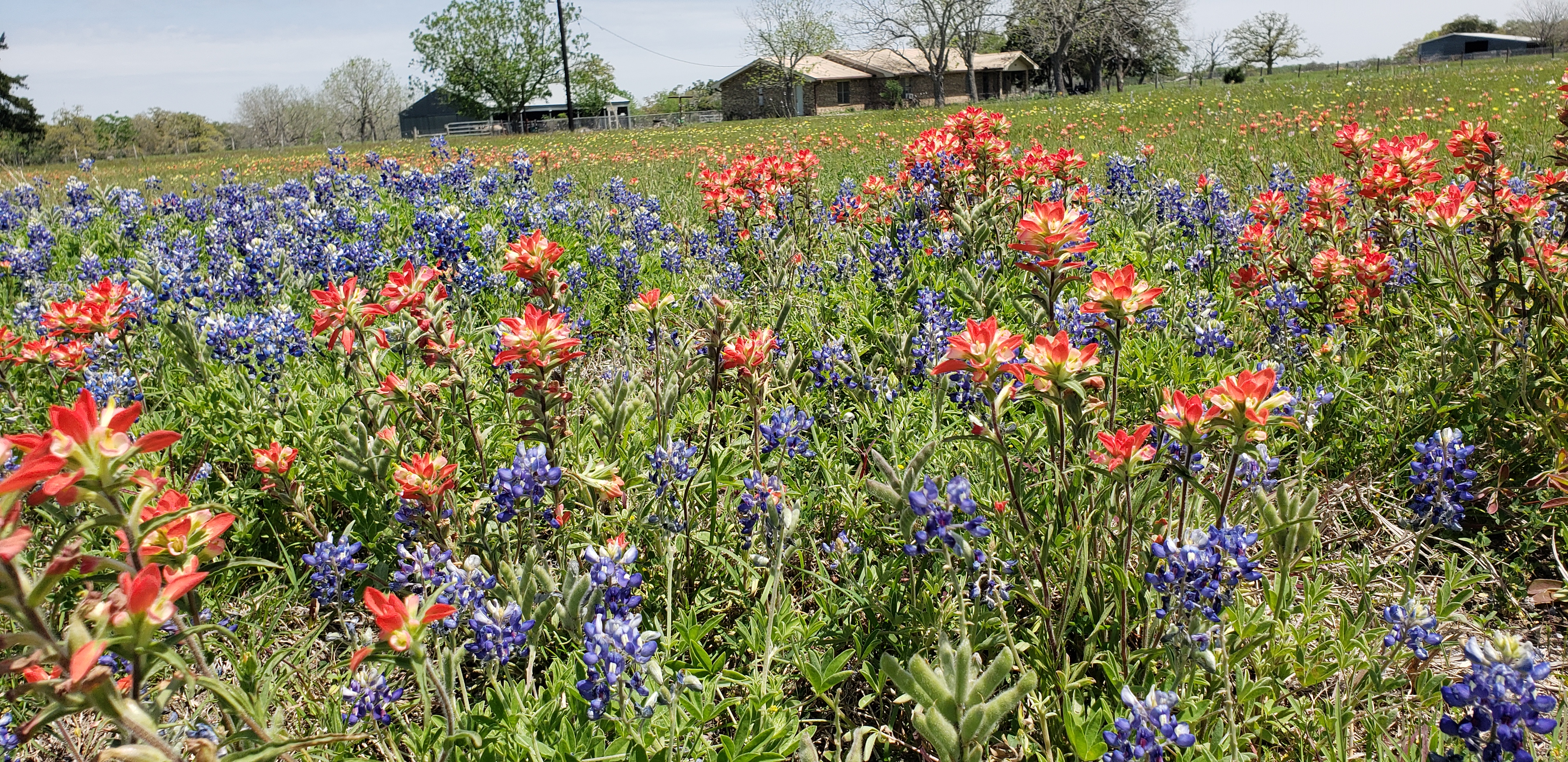
While it isn’t technically springtime yet, you wouldn’t know it to look out at the fields around Lavaca County.
Plenty of sunshine and warmer temperatures have greeted some Texans with a surprise early guest: bluebonnets, Indian paintbrushes and winecups, galore.
Seems almost every place you look is popping with color this year, even if it is a mite early. The beloved state flower and its friends typically bloom toward late March and continues through mid-to-late April, according to the folks at the Lady Bird Johnson Wildflower Center, which if you recall, it was the former First Lady’s work that helped to make Texas roadsides the true treasure they really are.
Still, different weather patterns can cause the bloom cycle to vary from season to season.
“I always like to say that bluebonnets are more a reflection of what’s happened in the past and what’s happening in the future,” the center’s lead horticulturalist Leslie Uppinghouse told Austin area reporters recently.
In the case of this wildflower season, a wetter fall paired with a mix of warmer temperatures this winter planted the seed for an earlier bloom. As bluebonnet seeds germinate in the fall, more moisture translates to nicer, bigger and fuller flowers in the early springtime.
Add some nice warm weather with cool evenings to the mix, and it’s libel to look an awful lot like spring came a bit early this year, Uppinghouse said.
Looks like ol’ Bee Cave Bob may have had it right all along (Readers may recall a story we ran about a certain armadillo just out the Austin area community of Bee Cave who, a few years back, was promoted to Texas’ own critter forecaster, intended to cast a local light on Puxatawney Phil and his famed Groundhog Day forecasts).
While indeed an earlier bloom than usual, Uppinghouse assured there was no cause for alarm. Bluebonnets are annual flowers with root systems that last just one year. Because of this, they’re more sensitive to past weather patterns during the germination period than any major weather pattern changes post-bloom.
If the current weather pattern of warm days and cool nights hangs on, it means wildflowers be around for quite a spell this year. If, however, those cool nights should disappear, it means Texas will right on in to its other season—hot and parched—a lot earlier this year as well.
And that will spell a quick end to bluebonnet season in Texas, Uppinghouse said.
In a perfect world, cool nights combine with warmer days and some light rains to make an ideal wildflower season. That provides for the best of both worlds: Some nice long-lasting blooms and some great seed production for next year’s crop of wildflowers as well.
Based on long range forecasts, it looks like we may get that wish. We have a couple days rain predicted plus nice cool nights over the next 10 days, how it goes beyond that remains to be seen.
For those looking to capture a glimpse of Texas’ wildflower best, get outside sooner rather than later. Central Texas springs tend to come and go in the blink of an eye, which is about how long it takes for the weather to change. Happy viewing!