
World War 2

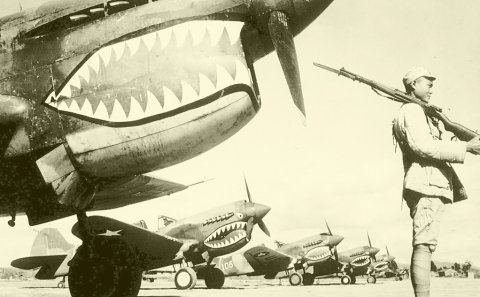
Chinese soldier guards a squadron of P-40 fighter planes, decorated with the typical shark face of the Flying Tigers, lined up at an unknown airbase in China in 1943. Photo courtesy of National Archives and Records Administration

Chinese soldier guards a squadron of P-40 fighter planes, decorated with the typical shark face of the Flying Tigers, lined up at an unknown airbase in China in 1943. Photo courtesy of National Archives and Records Administration

They roared out of the sky over China to attack enemy planes

By Murray Montgomery Staff Writer The First American Volunteer Group (AVG) of the Republic of China Air Force, nicknamed the Flying Tigers, was formed to help oppose the Japanese invasion of China. Their Curtiss P-40B Warhawk aircraft, marked with Chinese colors, flew under American control.
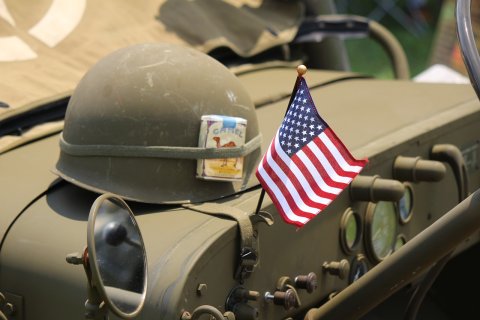
Courtesy of Air Mobility Command Museum

Courtesy of Air Mobility Command Museum

Moulton’s World War II Observation Tower

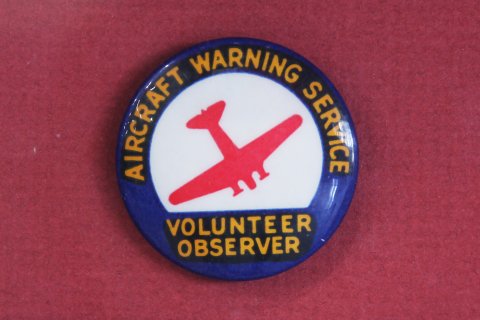
After Japan’s sneak attack on Pearl Harbor in 1941, the U.S. Army Air Corps decided it was time for the United States to have some type of early-warning system to defend against enemy air strikes.
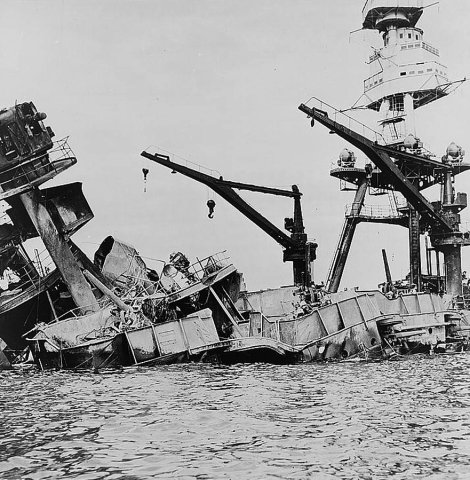
Wreckage of USS Arizona, Pearl Harbor, Hawaii, December 7, 1941 Courtesy of Library of Congress

Wreckage of USS Arizona, Pearl Harbor, Hawaii, December 7, 1941 Courtesy of Library of Congress

Pearl Harbor attack teaches a valuable lesson

Wednesday, Dec. 7, 2022, marked the 81st anniversary of the sneak attack on Pearl Harbor by elements of the Japanese navy. That occurrence in 1941 immediately plunged the United States into World War II and would eventually cost this country hundreds of thousands of lives.