

How many fingers have you got?
Old measure of railroad experience may seem gruesome, but it remains a stark reminder on how much more there is still left to do when it comes to train safety
and awareness…
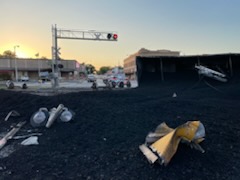
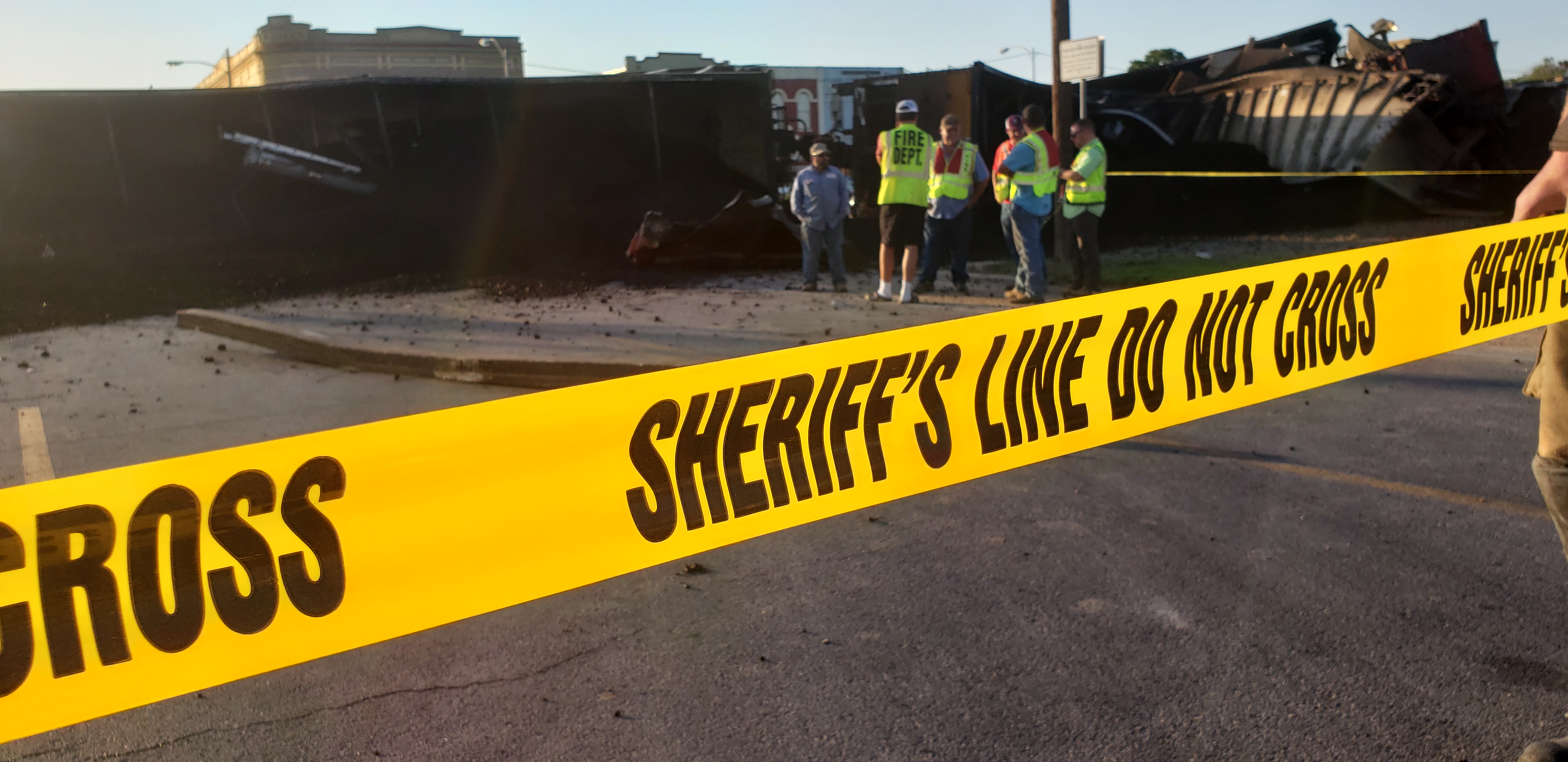
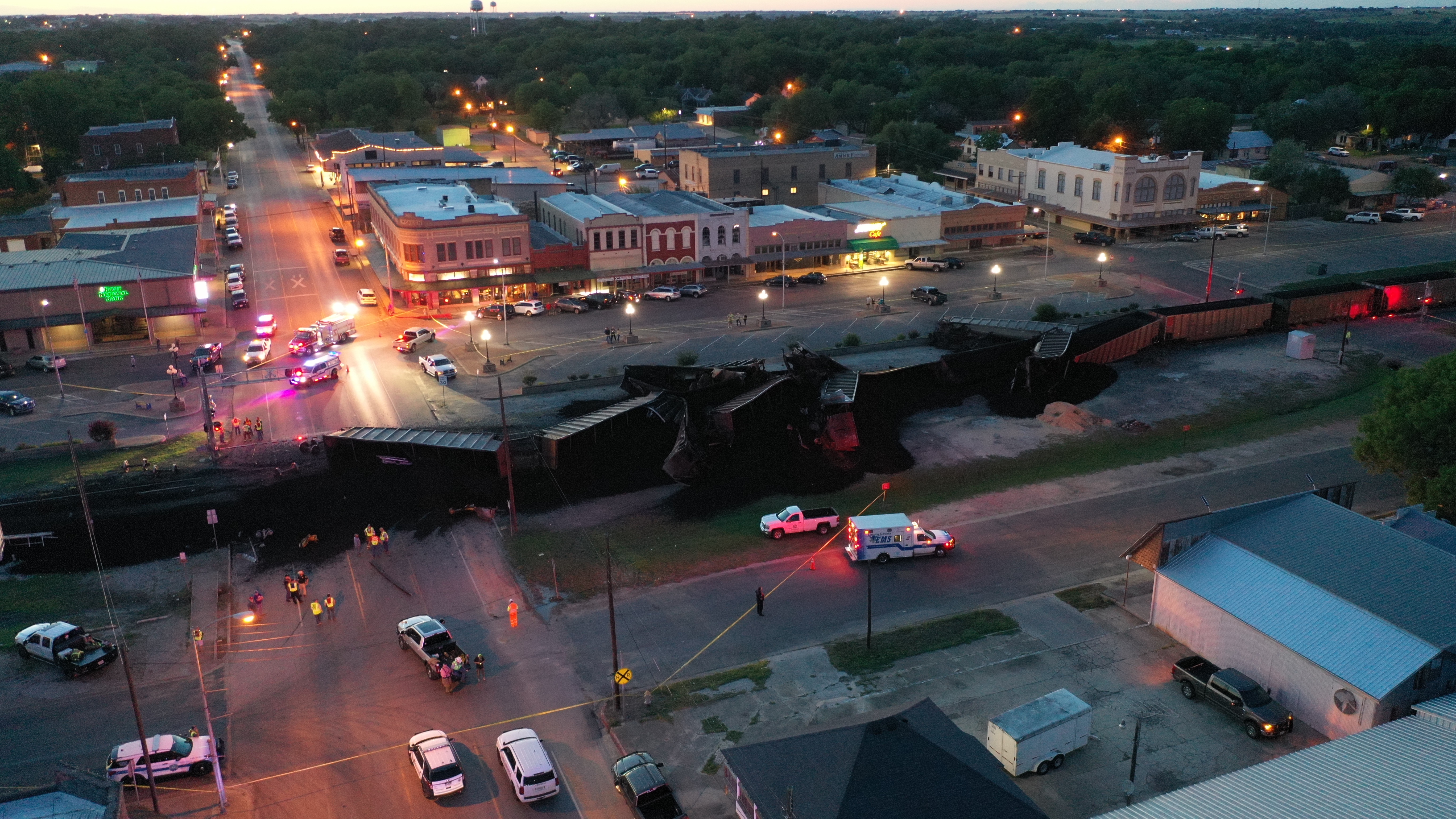
Although last weekend’s derailment in Shiner might call up questions to the contrary, much has
improved over the last century and a half when it comes to the railroad and concerns about safety.
In the 1890s, the experience level of trainmen was commonly determined based upon the number of
fingers that remained on a railroad worker’s hands.
Accidents that occurred while working on the railroads were making newspaper headlines as early as
June 17, 1831. Print advertisements for prosthetics were targeted mainly toward railroaders. In fact,
railroading was the second deadliest profession next to coal mining.
“Far too often we hear folks say things like, that’ll never happen here, especially when it comes to
planning for things like track safety and derailments,” Lavaca County Emergency Management
Coordinator Egon Barthels said Sunday as he was headed to a meeting of local first responders to review
how they did, what they could have done better and things they might do differently next time in the
wake of last weekend’s incident on the Union Pacific line through town.
“If we take nothing else away from this experience, last weekend’s derailment in Shiner should help to
remind everyone that such things can and do happen, and they prove deadly dangerous at a moment’s
notice,” he said.
It’s what prompted Barthels to share a couple of items on the Lavaca County Emergency Management
Facebook page. For starters, it’s also a fine time to make sure you’re signed up CODERED alerts Barthels’
office issues.
Although no hazardous materials were on board Shiner’s derailed train last week, they do move through
the county, both by rail and by truck, on a regular basis, Barthels said. Had either been involved on June
3, it would have a much different scenario, one where CODERED warnings would have been a necessity.
June is National Safety Month, according to Operation Lifesaver, a nonprofit launched in the early 1970s
by Union Pacific to increase safety awareness in the field.
Remember to stay alert around railroad tracks and trains, he said. As Operation Lifesaver’s motto has
been since the beginning, always expect a train.
On these once ungoverned railroads, as the number of casualties increased each year, so did public
demand for safety regulations. In 1893, at the time when The First Safety Appliance Act was finally
passed, 1 in 28 railroad workers were injured and 1 in 320 were killed each year.
Over the hundred years preceding the implementation of the First Safety Appliance Act, there would be
a countless number of safety laws and regulations approved thereby placing the safety of railroad
workers as number one importance.
Today, with safety a priority, railroad employee casualties average 0 to 1 per year.
Since Operation Lifesaver’s inception in 1972, collisions at railroad crossings have dropped by 84%. But
there is more work to do. A person or vehicle is hit by a train every three hours in the United States,
national statistics show.