

Is it Mex, Tex, or Tex-Mex?
Column
Murray Montgomery
Staff Writer
Back in the day when I was just a little fellow living in Austin, Texas, there wasn’t a lot of “eating out” going on in my family.
My folks were born in Austin and most of them weren’t wealthy. The fact is, they were more on the poor side of the scale. Coming out of the Great Depression, they just managed to get the necessities and there wasn’t much left over for the luxury of going to a café.
Mom’s family made their living chopping cedar and they didn’t have much; on my daddy’s side, they were some of the lucky ones because my grandfather (Papa) worked for the city and he was employed throughout the depression.
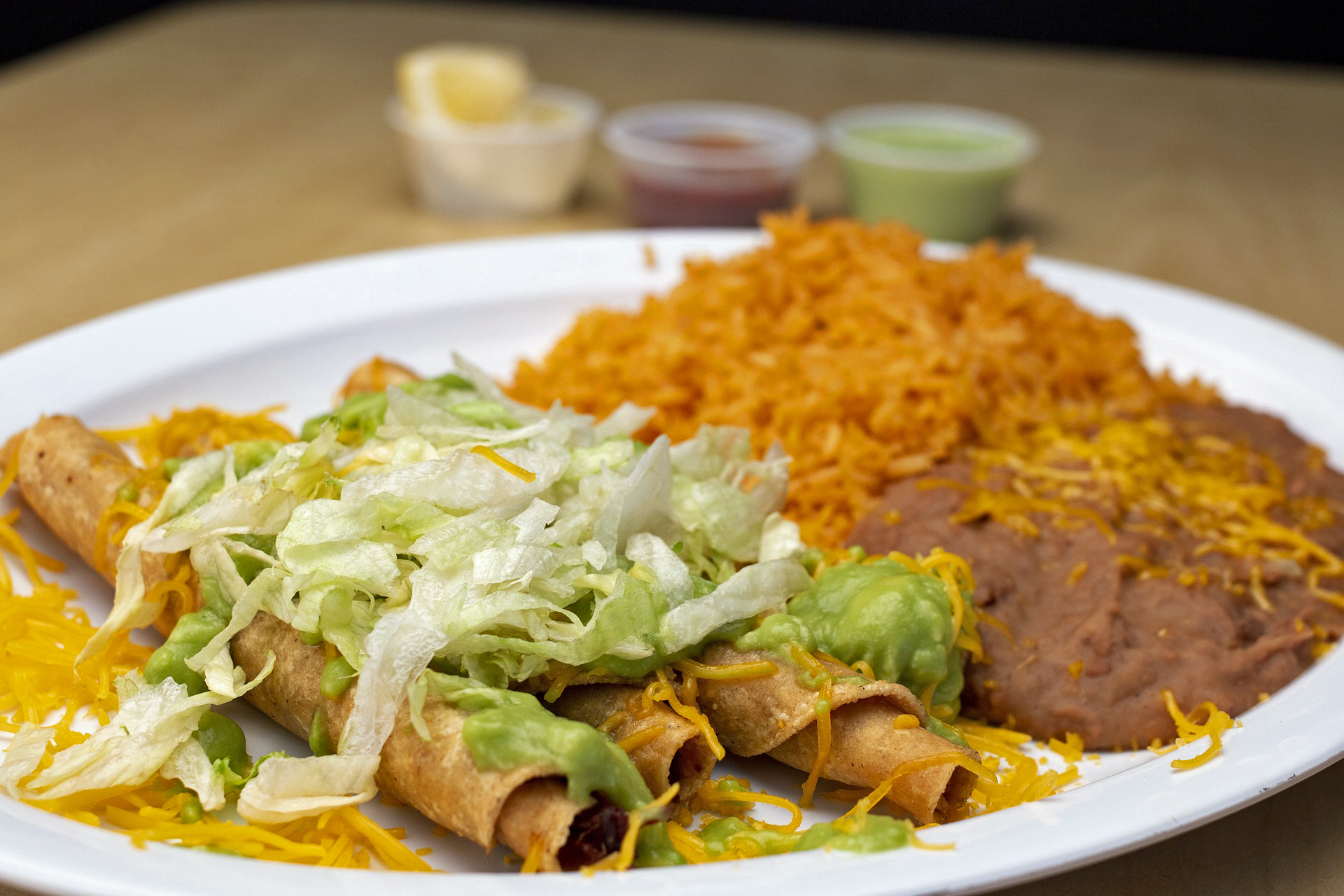
So it was that when we did get to eat out, it was Papa who took us and there was no doubt where we would go and what we would eat because my grandmother (Nanny) picked the cuisine. In her words, “We are going to Joe-Joe’s and eat Mexican food.” I don’t believe Nanny ever heard the term Tex-Mex, it was Mexican food to her and she dearly loved it.
Because I was only about six or seven back then, I don’t recall where “Joe-Joe’s” was located. If I had to guess, I would say East Austin because that’s where Daddy grew up.
I do recall that the café was in an old house, not a commercial building. It had a lot of rooms and a big kitchen which was overrun with ladies speaking Spanish and cooking for their many customers. Papa and the family who owned the place were great friends for many years.
To be honest, I have no idea what difference there is between Tex-Mex and Mexican food – all I know is, like Nanny, I love it.
While considering all the titles for this food type, I decided to do some research on its history and how it got so many names. It seems that everybody has a different opinion on why it should be listed under one title or category. My research didn’t convince me that there’s much difference at all.
But then again, it really comes down to considering the sources of the information. When I googled the subject, one of the first things to come up was a chain of restaurants located in the southeastern part of the country.
Yep, “Tijuana Flats” describes the history as follows, “Tex-Mex, short for Texans of Mexican heritage, is one of the most popular styles of food eaten every day in the United States. At Tijuana Flats, we’ve come to appreciate the unique ingredients, flavors, and dishes associated with Tex-Mex cuisine.
“Looking back at Tex-Mex history, Southern Texas is the birthplace of Tex-Mex food dating back to the late 1800s. Tex-Mex recipes became known more widely with the building of the Texas-Mexican Railway. Tejano home-style cooking quickly gained popularity throughout Texas and spread across the Southwest.”
I don’t know why Google figures that a restaurant in the southeastern part of the country would be a good source for Tex-Mex history. If you click on the link you’ll get their menu and not much history. I don’t believe they have any restaurants in Texas.
So now we come to my next source, the History Channel. I figured this one had to be more knowledgeable on the subject than “Tijuana Flats,” but I was wrong again. The writer for the History Channel was based in New Hampshire when the article was written in 2015. It would have been a heck of a lot better if the author had concentrated more on the food and less on Texas history.
Here is a sample of the History Channel’s opinion on Tex-Mex, “From chili and nachos to fajitas and enchiladas, Tex-Mex could be called the ultimate comfort food. Despite its enormous popularity all over the United States, it’s an understatement to say that Tex-Mex has struggled to get respect as a regional cuisine in its own right, rather than a lower-quality, corrupted version of traditional Mexican food.”
Finally, I turned to my old reliable source, The Handbook of Texas. They said it all in the opening paragraph, “Tex-Mex foods are a combination of Native American and Spanish cuisines, which came together to make a distinct new cuisine. Foods also reveal some of the cultural differences between such regional groups as Mexican Americans in South Texas and those in West Texas.”
In conclusion, why should we get our information on the origins of Tex-Mex from a restaurant chain or some Yankee in New Hampshire who writes for the History Channel? Just go to the Handbook of Texas Online and search for Tex-Mex. I promise you’ll find everything you need to know right there.