

Women serving their country
Women have been a part of the United States military for over 100 years
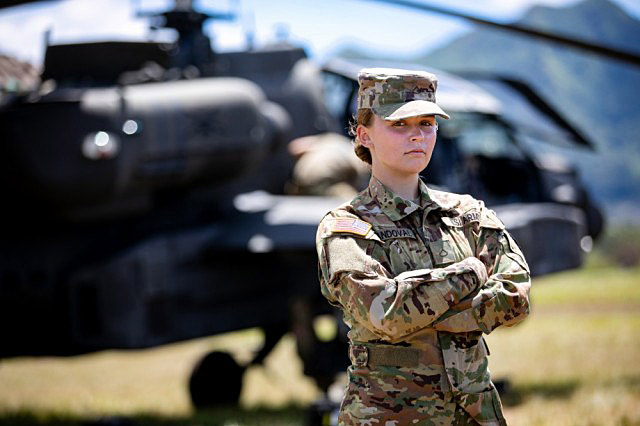
Women have been a part of the United States military for over 100 years, but it wasn't until
1948 that they were officially allowed to serve in the armed forces. In recent years, the role of
women in the military has expanded significantly and they now serve in a wide variety of roles
and positions.
One of the most notable changes for women in the military came in 2013 when the Pentagon
lifted the ban on women serving in combat roles. This decision opened up more than 200,000
jobs that were previously closed to women, including positions in the Army and Marine Corps
infantry units.
In the fifteen years between the end of the Vietnam War and the start of Operation Desert
Shield, the armed forces of the U.S. opened up many specialties to women. The nature of the
conflicts in Iraq and Afghanistan, with blurred lines of engagement, placed more servicewomen
in harm’s way.
"More than 181,000 women serve in the Army today, from enlisted personnel to general
officers," said Ryan McCarthy, former Secretary of the Army. "The Army is proud of our women
Soldiers, who serve with distinction as role models as they exemplify our highest values."
According to a story from U.S. Army Public Affairs, today's women serve in every career field in the Army.
Nearly 1,500 female Soldiers have become part of the infantry, armor, and fire-support occupations;
forty-two women have graduated from Ranger School, and five have been assigned to the Ranger Regiment;
and, Maj. Gen. Laura Yeager (Ret.) became the first woman to command an Army infantry division.
Despite this progress, women in the military still face a number of challenges. For example,
they are more likely to experience sexual harassment and assault while serving. In addition,
they often struggle to balance their military careers with their family responsibilities.
Regardless of these challenges, women continue to make significant contributions to the
military. They have served with distinction in Iraq and Afghanistan, and have earned numerous
awards for their service, including the Purple Heart and the Silver Star.
In recent years, the U.S. military has also made a concerted effort to promote diversity and
inclusion within its ranks, including for women. This has included initiatives to recruit and retain
more women, as well as to provide equal opportunities for advancement and leadership.