
'It’s those little things that matter most’
No heroes in Hurricane zone, Forbes writer said, 5 years ago today
It was just a hamburger, the story read. A Whataburger, to be precise, writer Dan Reed clarified.
“And to a Texan that’s sorta a big deal. But I’d never seen a man brought near to tears by something as ordinary as a Whataburger. Until Monday,” he said.
Thus began what I’m fairly sure was not only the first time a dude like me would ever get featured in a publication like Forbes magazine but my absolute last as well. It appeared in the magazine’s Sept. 5, 2017, edition, which as of Labor Day, was precisely five years ago.
For those not familiar, Forbes is an American business magazine featuring articles on finance, industry, investing and marketing topics, as well as technology, communications, science, politics and law. It is likely best known for its publication of lists and rankings, such as its list of the wealthiest Americans (Forbes 400), America’s Wealthiest Celebrities, the world’s top companies (Forbes Global 2000), Forbes list of the World’s Most Powerful People and the World’s Wealthiest Billionaires, complete with an estimation of their worth.
So, like I said, my first AND last time. All wrapped into one.
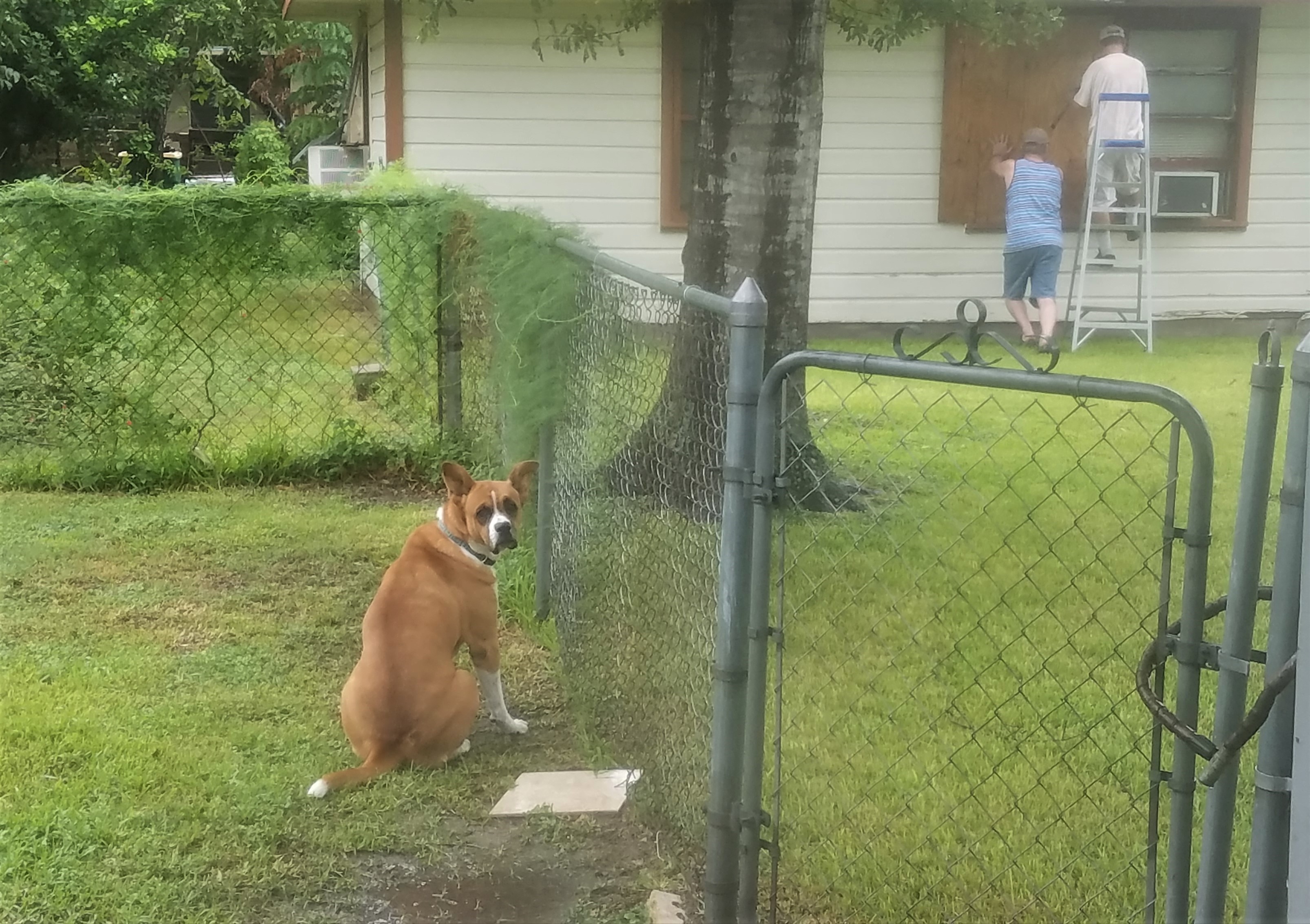
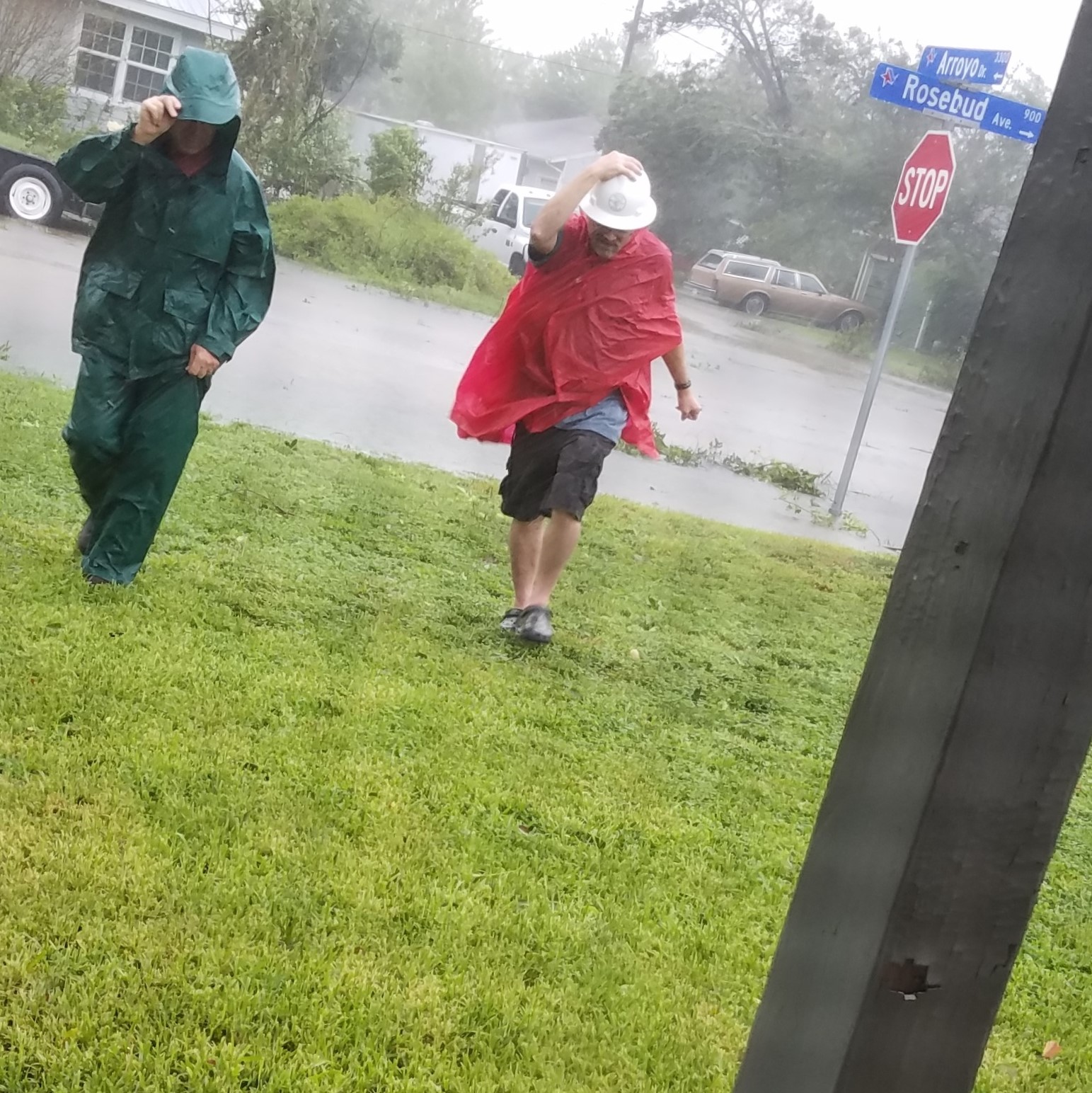
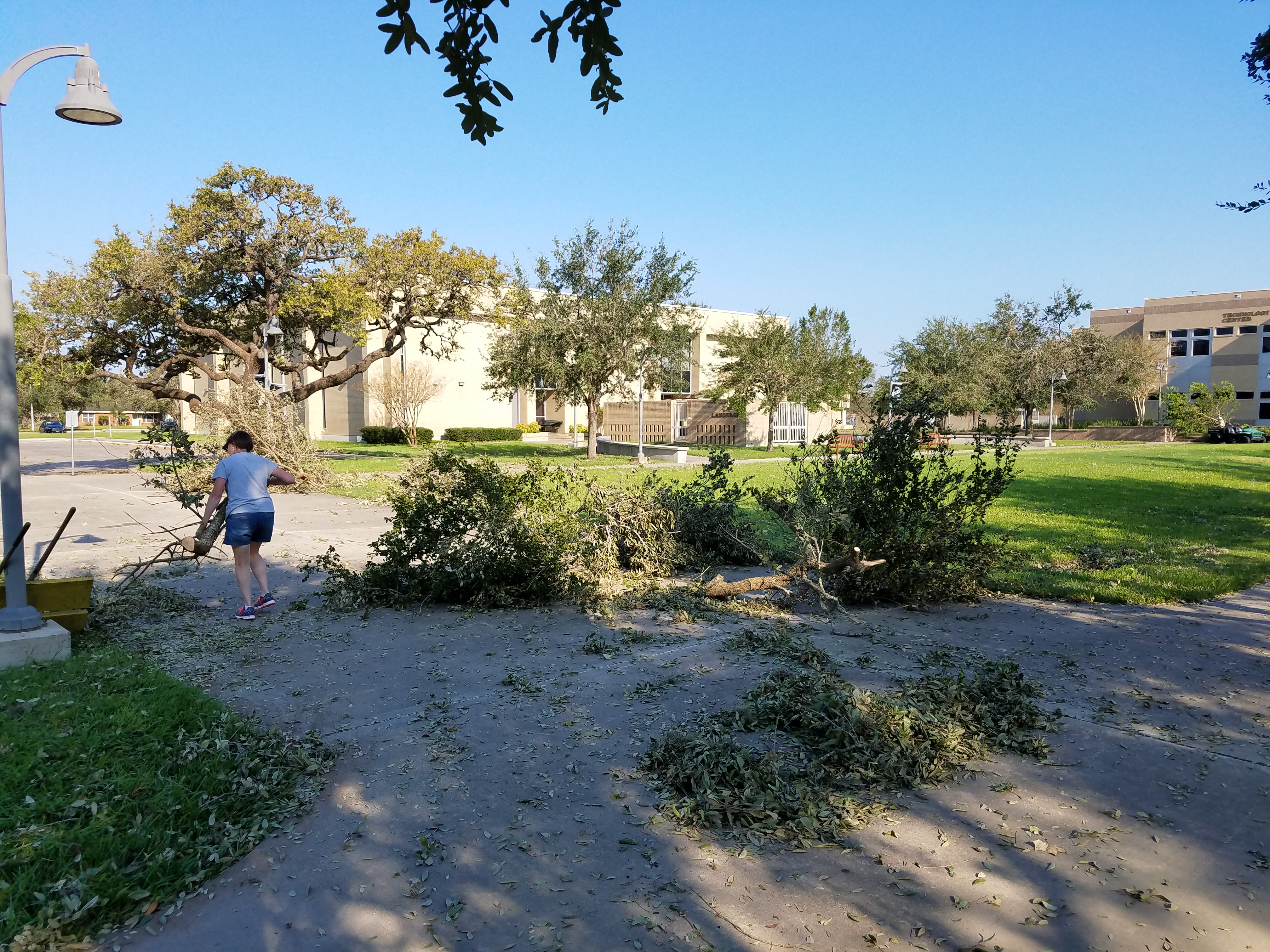
Because they certainly didn’t look me up because of my gargantuan wealth or my phenomenal cosmic powers. I had a whole lot of neither, right about then. In fact, I was literally power-less, which is how I remained for 10 full days before the line crew armies with American Electric Power, working daybreak to way past sunset, could hack their way through the mountains of downed trees and demolished houses and outbuildings to even start to deal with all the blown transformers and downed lines.
Hurricane Harvey had seen to that.
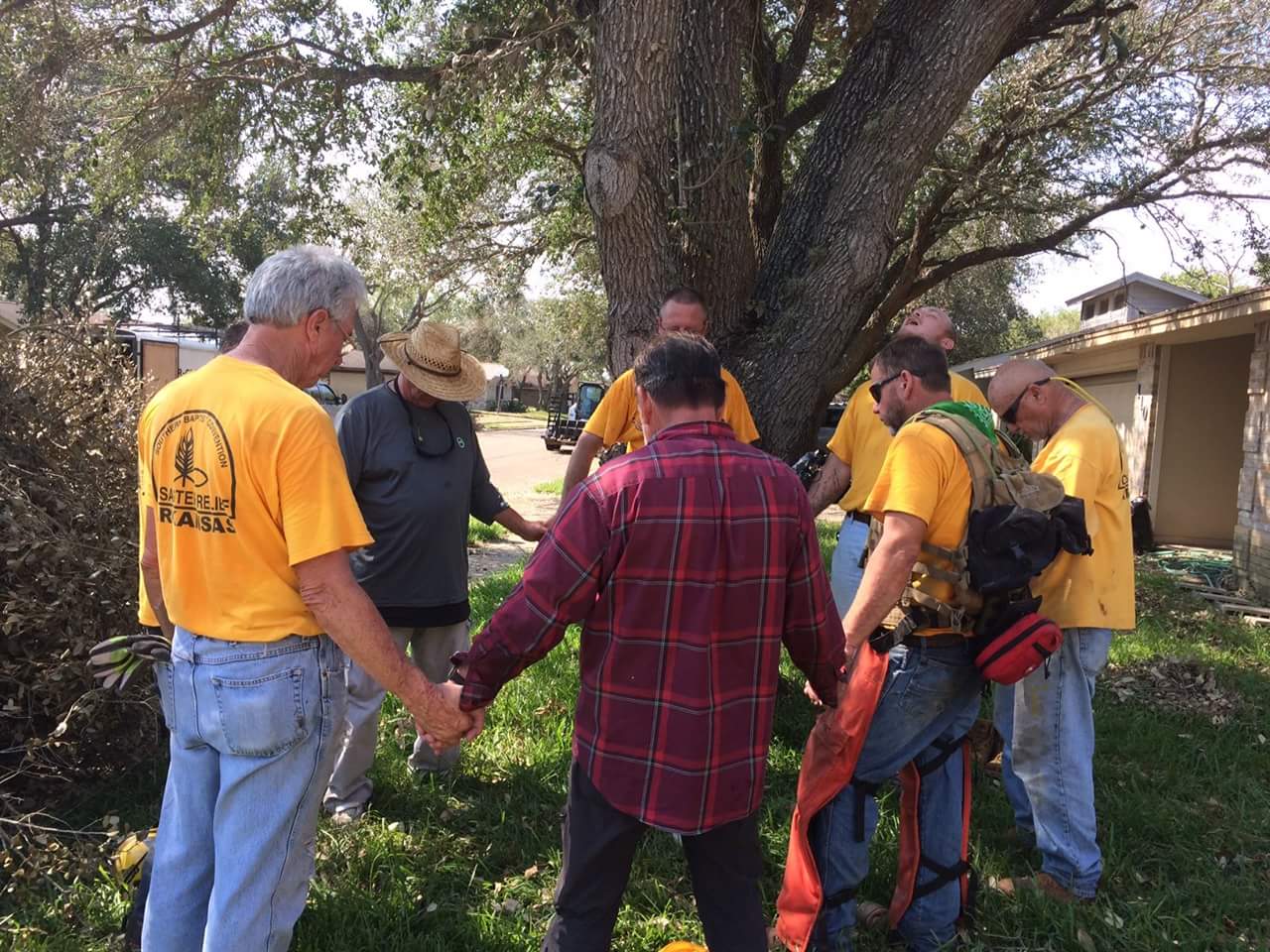
If it weren’t for ol’ Harv, I suppose, my lone appearance in those hallowed pages never would have occurred, I have little doubt. Nor would my path likely ever have crossed with Mr. Reed’s. He was from Fort Worth, and unbeknownst to me, also a contributor to Forbes. He and his travel companions drove down from the DFW Metroplex that week to volunteer as disaster relief workers, part of a much larger Texas Baptist Men’s group who arrived within minutes of Harvey’s departure. The storm drifted slowly farther north and east where it dumped something five feet of rain—literally, 60 inches of rain fell on the Bayou City, and then some—I remember seeing pictures of a whole fleet of Bass boats cruising down Interstate 10 near Katy, water lapping at the bottoms of underpasses marked 21 feet in height.
It was hard to fathom.
The only reason our paths really crossed that day was because I felt kinda bad for them.
I watched as this latest band slowly pulled up and parked. Facebook had been circulating stories about roving carloads of burglars making their rounds in the half abandoned city, so I tried to stay less than cordial with anyone I didn’t recognize out in my neighborhood.
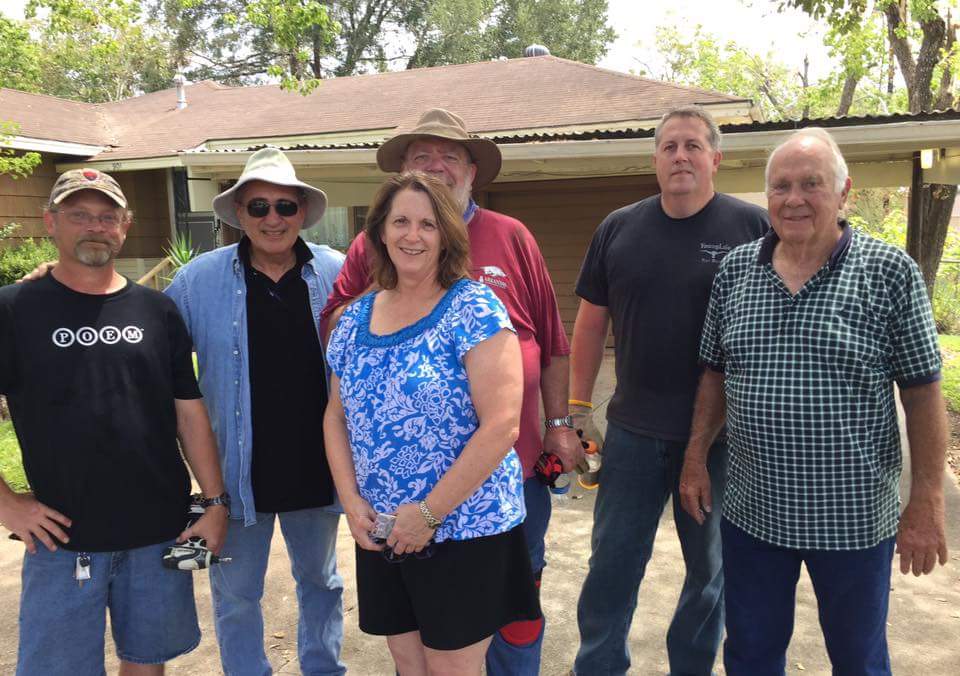
What struck me about them: They already looked dead tired when they arrived that day, the fellow who limped up the sidewalk to knock on Sharon’s door, especially. You could tell right off they probably had enough education between them to reroof an entire house using nothing but their many diplomas, each from the finest and most prestigious of institutions only, I’m sure.
Somehow they’d swung by my neighbor Sharon’s place to repair her carport—a structure the hurricane had folded back over itself during some of the worst winds of that storm—a feat they apparently were set on accomplishing with no more than a cheap Harbor Freight claw hammer (that had seen better days) and a Philips head screwdriver that looked like they’d dragged it all the way from Dallas, business end down.
Mr. Reed once more: “It wasn’t the most glamorous or exciting of assignments in the enormous 400-mile-long Hurricane Harvey damage zone. And, truth be told, most relief assignments in the Harvey Zone are similarly lacking in glamour and excitement. But they’re all work that needs to be done for people whose lives have been severely disrupted and shaken, and whose resources easily are swamped by the enormity of what they face as they try to recover from the worst natural disaster in U.S. history in terms of the breadth and cost.
“Bobby, Sharon’s neighbor across the street, had eagerly – and quite helpfully – joined our little band of volunteers, lending us tools including, most usefully, a circular saw and the generator that he’d been using keep all the food in his freezer from being ruined.”
Truth be told, I lost all my cold food items the day after Harvey hit. I thought the freezers would contain the cold longer than they did, but they did no such thing. I fired up my barbecue pit and cooked every morsel that could possibly spoil. Then I tossed all of it into my ice chests.
Even with steady ice kept on it, everything we cooked got right gamey after about Day 6 with no lights. By then, too, temperatures were more in line with what you’d expect at the end of August/start of September here in South Texas. Sweltering. Which combined with the mosquitos that showed up around then, too, that roughed up local livestock, buzzards and any dog smaller that a Rottweiler, just to steal their lunch money and leave them twisting with a wedgy when they were done.
Those mosquitoes were vicious and relentless.
So, about the only real use we got out of the generator was its constant roar. It was almost loud enough to drown out the constant, high-pitched whine as the bloodsuckers circled, searching a spot where they wouldn’t have to give my mosquito bites any more mosquito bites.
Reed once more: “As noon approached one of our team members went to buy some more lumber for our repair job and announced that he’d also make a Whataburger run and bring us all lunch. Upon his return we gathered around a pickup tailgate to eat. Bobby was offered a burger right along with the rest of the team. After some initial, polite reluctance he accepted and tore into the burger with abandon.”
“You don’t know how much I’ve been wanting a hamburger,” he quoted your narrator, who he described as a veteran newspaperman who (at the time) taught English courses at the local junior college.
“To us it was just a burger,” Reed wrote. “To Bobby, it was his first taste of normal life in 10 days.”
“Tears flow freely in the hurricane damage zone,” he continued. “Thirty minutes before those hamburgers arrived, Sharon and Bobby’s wife had hugged and cried, and hopped up and down a little with joy when Sharon’s carport lights suddenly came on while we were working. It marked the return of electricity (and air conditioning) to Sharon’s house after 10 days of broiling hot darkness. Sharon, who’d been forced to stay with friends who still had power, now could move back into her home.
“An hour before that, we had seen Bobby’s wife appear on their front porch and heard her yell across the street to her husband. She was pointing at their now illuminated porch light. Bobby rushed over to her, and they hugged and cried in each other’s arms, celebrating something that 320 million other Americans take for granted,” he wrote.
The Texas Baptist Men—augmented by similar outfits from Arkansas, Louisiana and other states, plus individuals from Baptist churches all over who just show up and volunteer—ran nine or 10 chainsaw crews in the Victoria area, and they were expecting to push farther south (at the time the story published) to the more heavily damaged parts of the Harvey Zone.
Victoria got only about three feet of rain, Reed reported, which was hardly a smidge compared to what Houston got. Still, Harvey slammed ashore and was still a Category 4 hurricane when it reached the Victoria city limits. Its 130-mph-plus winds battered the region for 12 hours straight before easing off to mere Tropical Storm strength and lingering for a couple more days.
“Property damage in Victoria is substantial but not overwhelming,” he said. “Along the coast and the small towns between the coast and Victoria, few properties escaped damage and a huge percentage will have to be entirely rebuilt, not repaired.
“While the recovery and rebuilding process ahead of the people of Southeast Texas is staggering, it’s heartening to disaster relief workers to see local folks’ spirits lifted by our simple presence,” Reed wrote. “In reality, no one disaster worker can make much of a dent in the mountain of devastation here. For that matter, whole teams of disaster relief volunteers quickly recognize that in the few days that they will be on the scene the impact of their efforts scarcely will be noticeable. They can only trust the next wave of volunteers who’ll be rolling in after them—and each successive wave thereafter—to carry on the work, and to whittle down the problem bit by bit over the many months to come.”
Such acts are anything but heroic, Reed said
“When you volunteer to help after a natural disaster like Harvey you’re volunteering, whether you know it or not, to do anything, literally. And chances are it’s going to be doing something that you never expected to do. Sure, it may include rescuing someone. But more likely, it’ll mean working for hours in a hot field kitchen helping to prepare and load the thousands of meals a day that victims and relief workers need, unloading big trucks packed with relief supplies, organizing and stacking the supplies and then loading smaller trucks that will take those supplies to the front lines. It can mean cutting down limbs from damaged old trees and dragging the debris to the huge, head-high mounds of brush that line every street and road.”
It can mean fixing a lady’s carport, like we all did, or raking mud, muck, soaked carpets and water-damaged drywall out of once-flooded homes, as another team from our church did in the flood-soaked town of Orange, east of Houston.
“And chances are quite high that what you do will never make the news. But that’s not why you go on a disaster relief mission – or at least it’s not why you should go on a disaster relief mission. You go just to help.
“There are no heroes in the Harvey Zone, just people helping people. Because whatever our motivation, all volunteers learn very quickly that it’s not about us,” Reed said.
“None of our 10 team members would have been picked for the mission, based on our skills. We included a pastor and a couple of church staff members, an electrical engineer from the F-35 fighter jet program at Lockheed Martin Aerospace, a history professor, a retired businessman, a 21-year-old who’s between jobs, an American Airlines pilot, the public relations guy for a school district, and me, a writer whose idea of physical labor these days is having to tote my laptop around. For all our advanced degrees and credentials, we all wound up working in the sweltering heat and high humidity of the mosquito-infested Texas Gulf Coast in kitchens, hauling debris by hand, loading and unloading trucks and cooking massive amounts of food.
“In the Harvey Zone, there are no heroes,” he said once more. “No disaster relief supermen, or superwomen. Indeed, the most profound thing any of us did while in the Harvey Zone may have been to share a simple hamburger with a good man who joined us in helping one of his neighbors and fellow Harvey survivors. And if that’s all we achieved with our mission to Victoria, it was very much worth it.”