

USDA drought
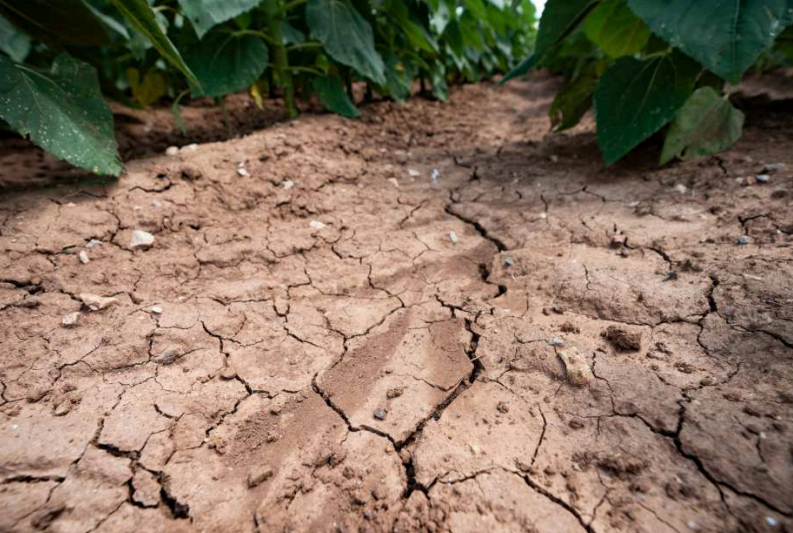
U.S. Agriculture Secretary Tom Vilsack last week granted official drought disaster designations to roughly two thirds of the 254 counties in Texas, along with several counties in New Mexico, Oklahoma and Louisiana.
The disaster declaration allows farmers and livestock producers to apply for low interest loans with the Farm Service Agency and secure some much-needed credit to those who have battled drought conditions since 2020, in some areas.
Emergency loans can be used to meet various recovery needs including the replacement of essential items such as equipment or livestock, reorganization of farming operations, or refinancing certain farm-related debts.
FSA will review the loans based on the extent of losses, security available, and repayment ability. Producers have until Nov. 25 to apply for aid, and thanks to errors in previous publications of the rules in the federal register, the current signup will include losses all the way back to 2020, for any who failed to sign up then.
A statewide disaster:
According to the U.S. Drought Monitor, the 91 primary disaster counties all suffered from some of the worst drought conditions on their drought monitor scale, across a huge swath of the Lone Star State for most of the latter half of 2023.
The lack of rain was only exacerbated by nearly 100 days straight days of extreme triple-degree heat and constant, scorching winds. Together, they set the course for the disastrous wildfires that struck the state in late February.
Over the course of nearly two weeks, those fires burned their way across the Texas Panhandle, consuming everything in their path for more than a million acres from just east of Amarillo to western Oklahoma. That’s more than 2,000 square miles of land, roughly the equivalent of two entire counties the size of our own, burned clean to the dirt.
It became the largest wildfire ever in Texas, and the second worst ever across these United States.
It rated second behind a disastrous wildfire that occurred in the early 2000s when a controlled burn got out of hand in the remote Alaskan wilderness.
That fire ultimately wiped out nearly 6 million acres of timberland before a snowstorm finally put it down. Even then, however, more than a million acres more of virgin forestlands were consumed beneath the thick blankets of snow in what the Forest Service described a s “ z o m b i e fires,” that continued to burn until the spring thaw.
Disaster struck twice:
The Texas fires earlier this year burned an area that was decimated by similar fires in 2006, which had held the state record for largest wildfire for nearly two decades before faulty power lines ignited this year’s blaze.
It burned through hundreds of homes and outbuildings, killed two people and left the charred corpses of thousands of head of cattle in its wake, the poor beasts unable to outrun flames that firefighters clocked moving at speeds of more than 80 mph.
Although spared the fire damages seen in the Panhandle, the entire Golden Crescent region was listed among the 91 primary disaster counties in Texas when Vilsack made his announcement last week. Those counties include Calhoun, Caldwell, Colorado, DeWitt, Fayette, Goliad, Gonzales, Guadalupe, Jackson, Lavaca, Matagorda, Victoria and Wharton, plus all their neighbors.
Plus, those counties not falling under the primary disaster area will also qualify for assistance under contiguous county coverage rules. That adds some 75 more counties to the 91 listed in the primary disaster area, making producers in a total of 165 Texas counties eligible for FSA aid.
For more resources, visit farmers.gov and browse their Disaster Assistance Discovery Tools, the Disaster Assistance-at-a-Glance Fact Sheet, and the Loan Assistance Tool.
Those resources can assist in determining programs or loan options. To file a Notice of Loss or to ask questions about what programs are available, contact your local USDA Service Center.